OPINION
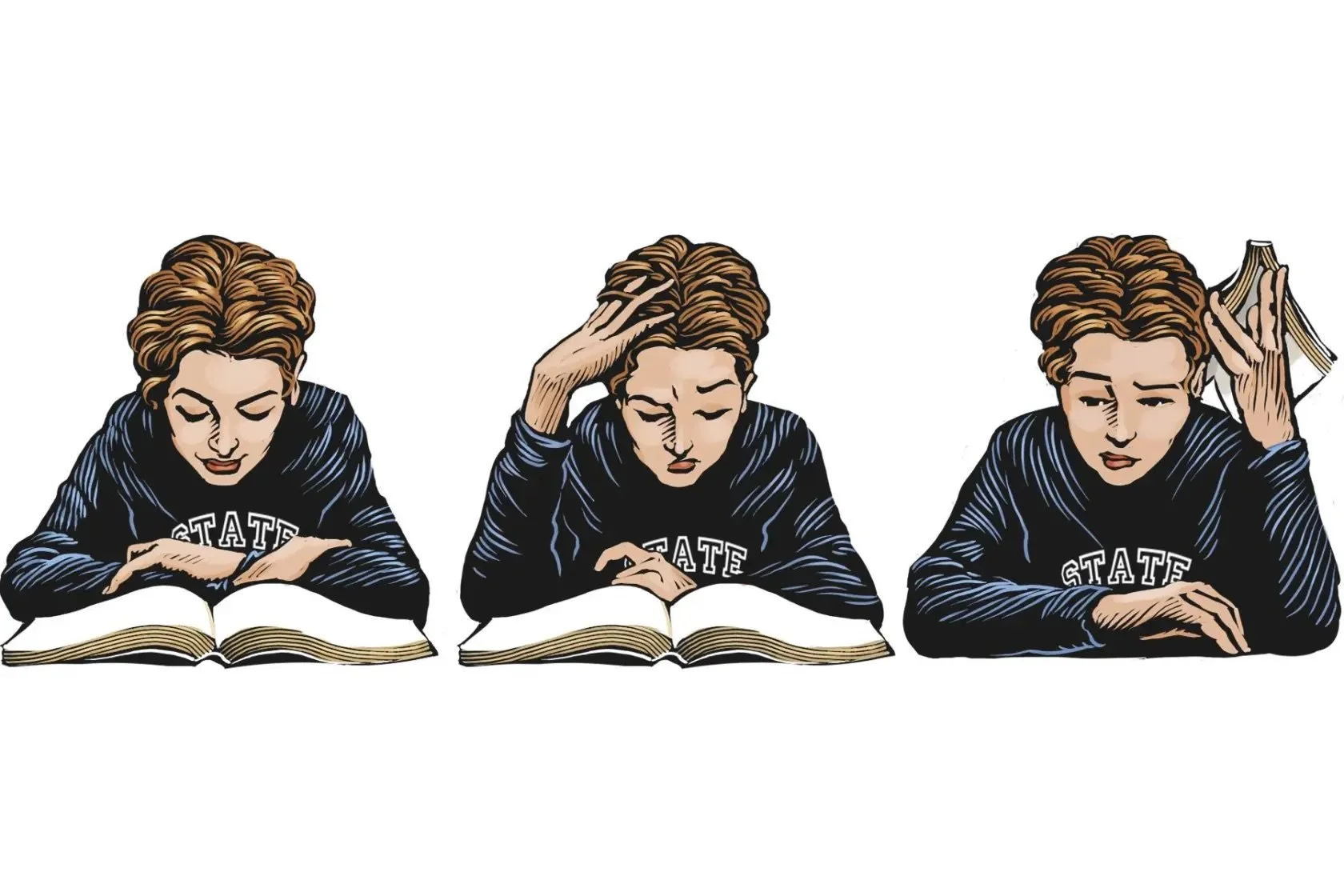
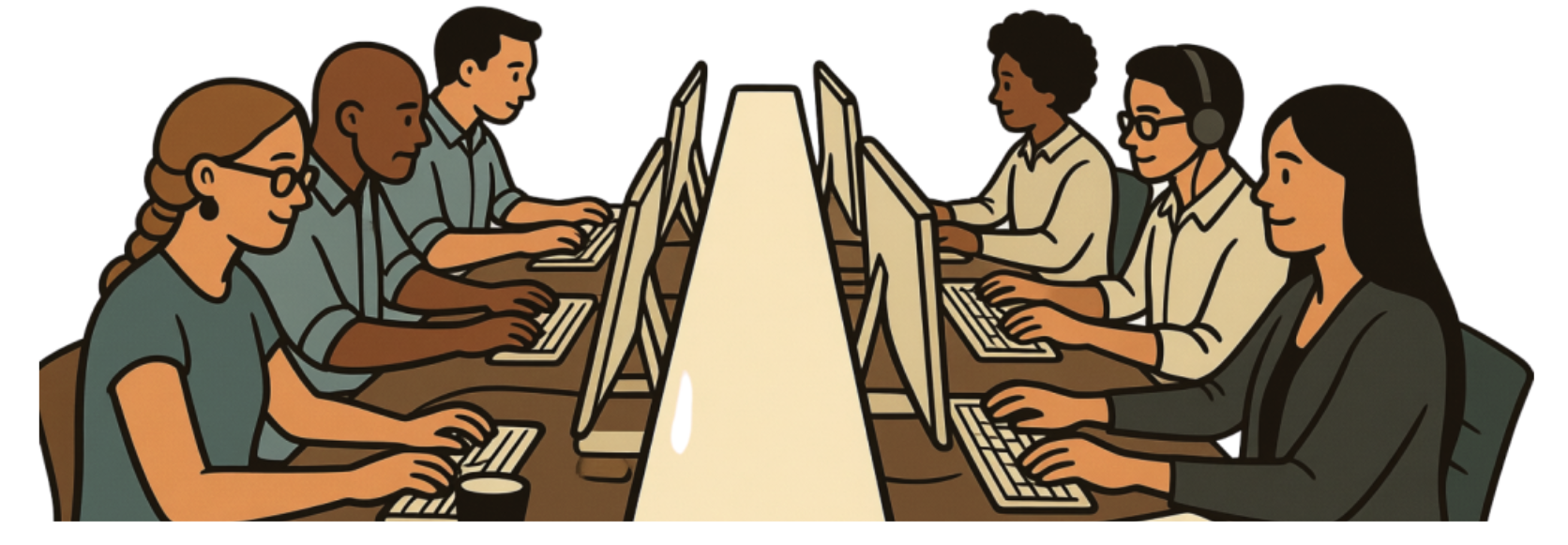
Stephen Chmelewski calls on professors, not students, to restore “the sanctity of the classroom” by banning laptops, with clear exceptions for accessibility.
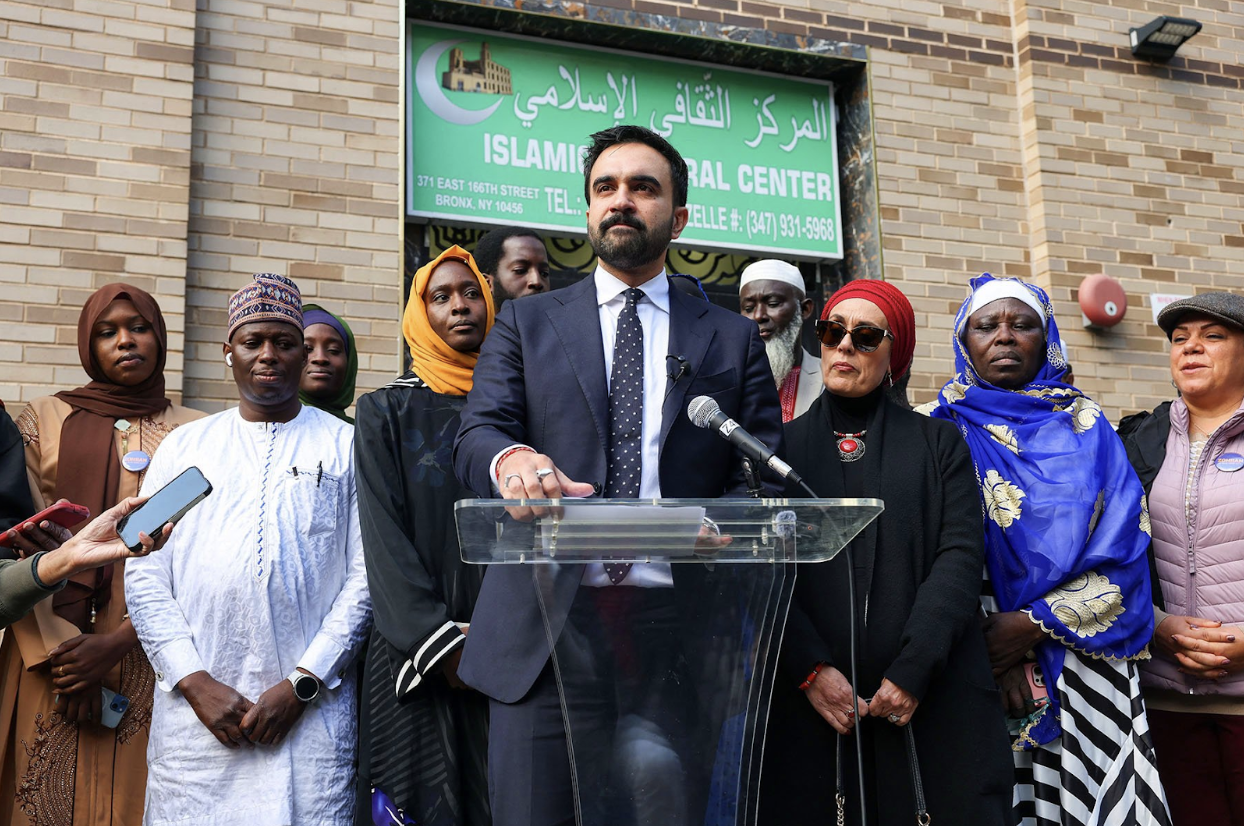
As New York celebrates Zohran Mamdani’s historic mayoral win, one SIPA student sees something deeper: a call back to purpose.
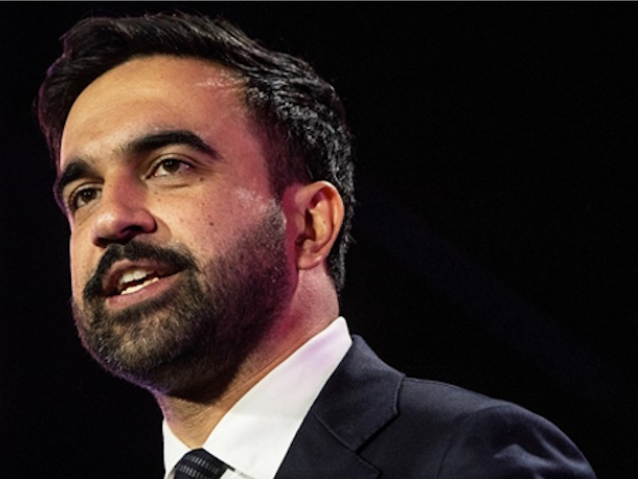
Steven Hankins calls on the mayor-elect to curb police overreach on campus, block ICE expansion, and stand firmly for academic freedom.
As President Trump’s second term nears its end, Columbia University finds itself at the center of a national reckoning over academic freedom.
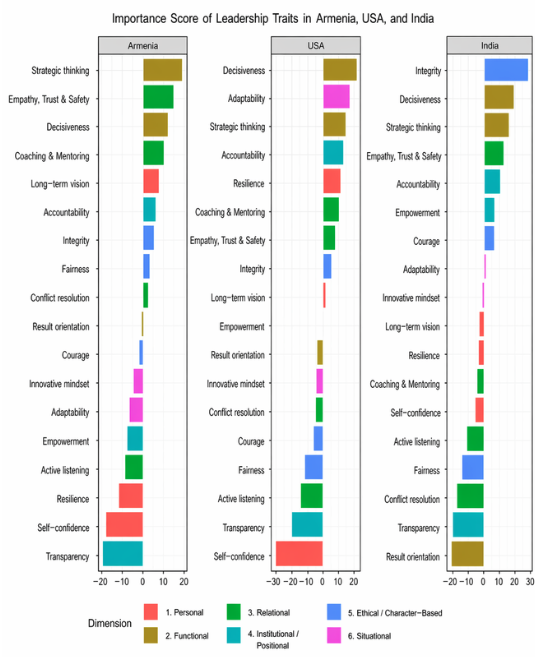
Declining trust in institutions is shaping how governments make policy. How can local governments adapt to a world increasingly defined by doubt?
Stephen Chmelewski calls on professors, not students, to restore “the sanctity of the classroom” by banning laptops, with clear exceptions for accessibility.
As New York celebrates Zohran Mamdani’s historic mayoral win, one SIPA student sees something deeper: a call back to purpose.
Steven Hankins calls on the mayor-elect to curb police overreach on campus, block ICE expansion, and stand firmly for academic freedom.
As President Trump’s second term nears its end, Columbia University finds itself at the center of a national reckoning over academic freedom.
With 25% of global jobs exposed to generative AI and most developing economies lacking the infrastructure to adapt, the challenge ahead lies not just in innovation, but in inclusion.
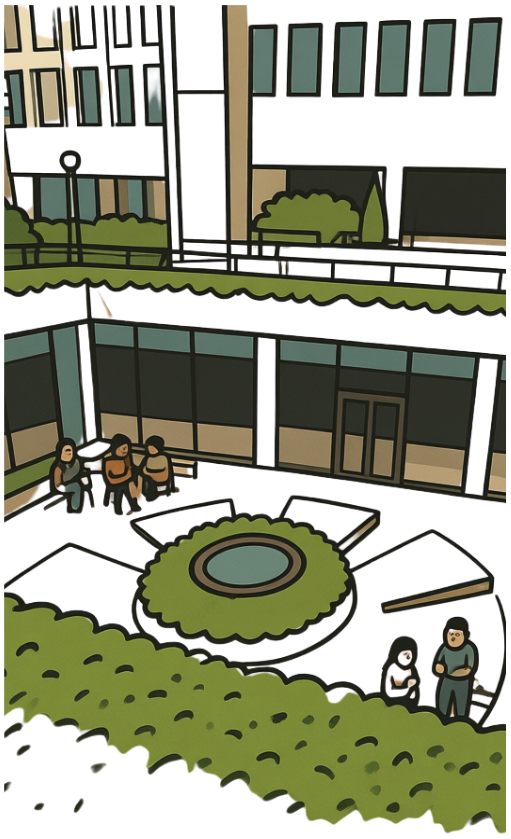
Tracing how neoclassical design shapes what, and whose, knowledge we venerate, Sathuluri argues that true decolonization demands “landscape literacy,” a conscious rewriting of the spaces that define how we learn.
From crowded lectures to spontaneous friendships and brushes with world leaders during UNGA, first-years reflect on their whirlwind first month at SIPA.
From missing chairs to waitlisted classes and crowded hallways, SIPA’s record-high enrollment has stretched resources thin. This article examines how overenrollment is reshaping student life.
In the wake of major federal funding cuts, Columbia University has announced 180 job losses, sending shockwaves through its academic and research communities. Faculty are urgently exploring ways to safeguard essential medical research—and one idea gaining traction is a temporary pay cut for high-earning staff. Could a short-term show of solidarity help preserve jobs and protect Columbia’s research legacy?
A totally biased review of Boat 3, the SIPA Follies 2025 show.
In recent years, the study of mis- and disinformation has again become polarized, as in the 1930s when the world was turning to fascism after emerging from World War I. Funding for mis- and disinformation research has been cut, jeopardizing research at major universities including Stanford and Harvard. With the re-election of Donald Trump as president, researchers are wondering what will come next.
Parking minimums require builders to add more parking than people want or need, driving up housing costs and worsening the environment. Lawmakers should ditch these wasteful rules
56 years to the day that Columbia called the NYPD on demonstrating students in an infamously brutal raid, protestors occupying Hamilton Hall were arrested and charged with criminal trespassing. So many decades after 1968, it’s not clear how much Columbia has really changed. Nor is it clear who the University stands behind.
Amidst Columbia University's harsh crackdown on student protesters, President Shafik's approval of police presence on campus and Dean Yarhi-Milo's silence speak volumes, amplifying the disillusionment and frustration among the student body.
This opinion was written by a protesting student while in the Columbia University Gaza Solidarity Encampment, expressing their views on the importance of standing in solidarity with Palestine as a Jewish student.
This article talks about Mexican elections with polls favoring Claudia Sheinbaum, the candidate of Morena, and the legacy of AMLO. Should Sheinbaum emerge victorious, there's scant assurance she won't uphold AMLO's policies. Conversely, if she faces defeat, the opposition's vision for the country remains unclear.
The War in Ukraine has served to strengthen the strategic partnership between Russia and China in the Arctic, raising concerns regarding the future of regional governance. A series of political and legal limitations will likely restrict both states from forming an exclusive partnership to develop the Northern Sea Route, suggesting that the potential threat posed by their relationship is likely less of a threat to Arctic stability than what one might otherwise assume.
Students at Columbia University's School of International and Public Affairs (SIPA) are concerned about the school’s prioritization of exams in mandatory courses, a focus they say could jeopardize their scholarships and future careers.
As South Korea's 2024 General Elections approach, the country is witnessing heightened political fragmentation, challenging President Yoon Suk Yeol's conservative administration amid internal dissent and changing public sentiment towards his leadership. The election's outcome will also reverberate internationally with implications for South Korea's foreign policy concerning North Korea, China and the United States.
Michelle Naeem (MPA ‘25) argues for a comprehensive approach to addressing climate change, emphasizing the need for significant reductions in carbon emissions by developed nations and long-term resilience measures for vulnerable countries like Pakistan.
Sara Tassadaq (MIA ‘25) pens down her viewpoint on Pakistan’s general elections 2024.
Cate Twining-Ward talks about how seemingly a safety precaution, salt de-icing raises severe public health concerns.
Critically examining the global oversight of wartime environmental destruction, Ananya Mukherjee (MPA ‘24) explores into the challenges faced in protecting our environment during conflicts and calls for a reevaluation of military responsibility.
Aditya Shukla (MPA ‘24) highlights the democratic essence of marijuana reform, backed by Snoop Dogg, Jane Fonda, Bernie Sanders and 70% of Americans. He emphasizes that the policy has economic, social and health benefits, and urges support of the MORE Act for equitable change.
Gen. Michael Minihan's memo, dispatched on January 27, forecasts an upcoming war with China, diverging from the Biden administration's position on the matter. Gunnar Wainwright (MPA ‘24) argues that the memo's public nature accentuates the intricate dynamic between civilian and military authority in shaping the US's approach to national security.
Visalaakshi Annamalai (MPA ‘24) advocates for equal pay and benefits for female athletes in the FIFA Women's World Cup. Calling on corporate partners to take action, she urges them to use their influence to press FIFA in adopting equal pay policies and championing gender equality in the realm of sports.
Adriana Sánchez (MS ‘23) opens up about her transformative decision to depart from Mexico and challenge detrimental energy reform policies head-on. Witnessing the repercussions on renewable energy initiatives, she sets out on a new path, seeking support and resources to advocate for climate action.
SIPA’s iTrek, now renamed Middle East Trek, has been scrutinized by students for rebranding while obfuscating its true nature and sponsor. In this op-ed, Sebastian McAteer (MPA ‘23) calls on SIPA to stand in solidarity with the Palestinian people and divest from iTrek and all associated treks supported by the Israeli government.
Declining trust in institutions is shaping how governments make policy. How can local governments adapt to a world increasingly defined by doubt?