CAMPUS NEWS
Thank you, fellow Seeples, for trusting us with your most difficult problems. The Morningside Post is here to help with our best solutions.
During campaign week, The Morningside Post interviewed the SIPASA candidates for insight on why they want to lead our vibrant SIPA community. All candidates were invited to submit 2-3 sentence answers to each question. Then, on Thursday, November 20, candidates gathered for SIPASA Debate Night 2025 to share their visions for SIPA. We’ve compiled these into one complete SIPASA 2026 Elections Voter Guide.
As AI transforms policy and development careers, SIPA’s Career Advancement Center is helping students stay ahead of the curve.
A new app is swooping into New York City’s mayoral race. Palumba, named after the common pigeon, columba palumbus, turns voter education into a game.
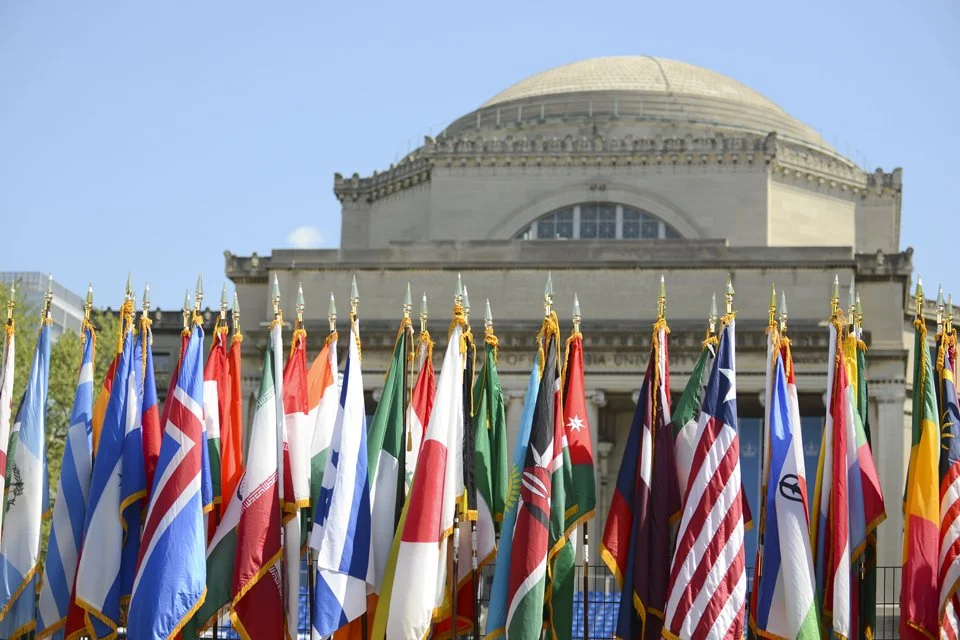
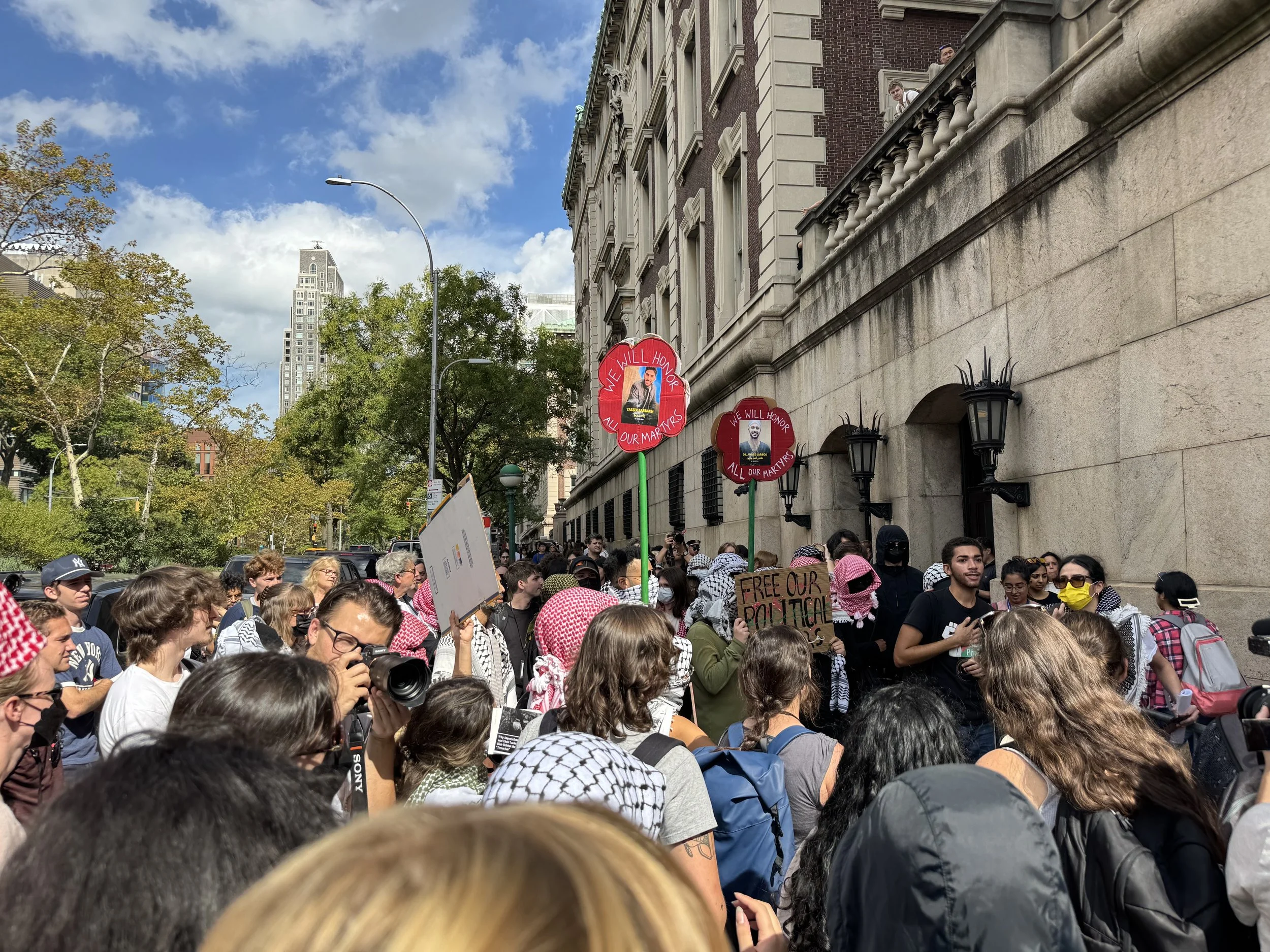
On the two-year anniversary of the Hamas attacks on Israel, Columbia University saw two simultaneous commemorations divided by campus gates. Students Supporting Israel held a sanctioned vigil on the West Lawn, while the Columbia Palestine Solidarity Coalition organized a separate “Not a Vigil” off campus after being denied permission to hold their event on University grounds.
In the Trump era, fear has crept into the newsroom. Student journalists are rethinking bylines, archives, and even the meaning of free speech. Anya Schiffrin, award-winning journalist, author, and professor at Columbia University, where she is Co-Director of the Technology Policy & Innovation concentration, writes on the rise of self-censorship among student journalists and the growing risks to free expression on campus.
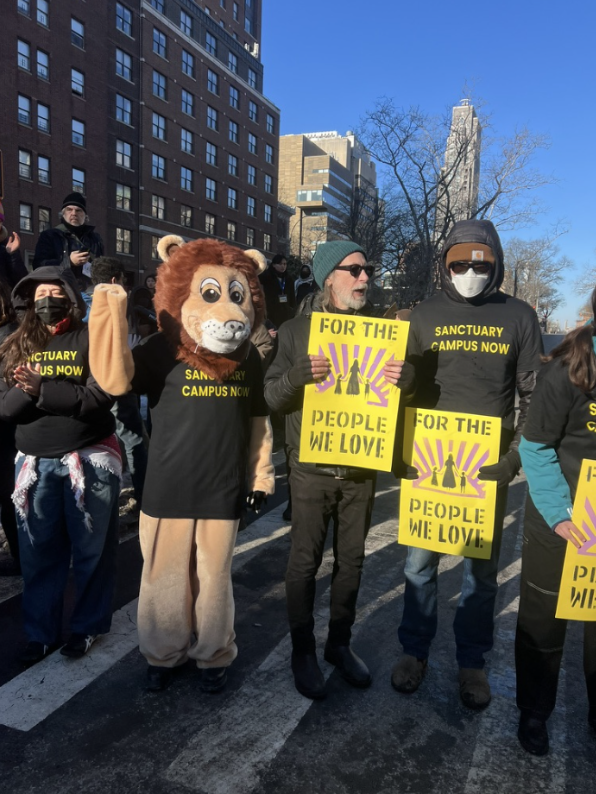
On Monday, September 29, 2025, Columbia students and faculty gathered in silence at the campus gates to protest the detention and possible re-imprisonment of Palestinian student Mohsen Mahdawi.
On September 2, Columbia professors gathered at the University’s main gates for “Speak Out 2.0,” a faculty-led protest warning against encroachments on academic freedom. The demonstration followed Columbia’s agreement with the Trump administration to restructure faculty governance and pay $221 million in settlements.
Over 25 hours, students, faculty, and staff from across Columbia University stood united at the gates of 117th and Broadway in a show of resistance against what they called federal overreach and university inaction. Organized by faculty, the “Speak Out” brought impassioned testimony, urgent calls to protect student safety, and a defense of academic freedom.
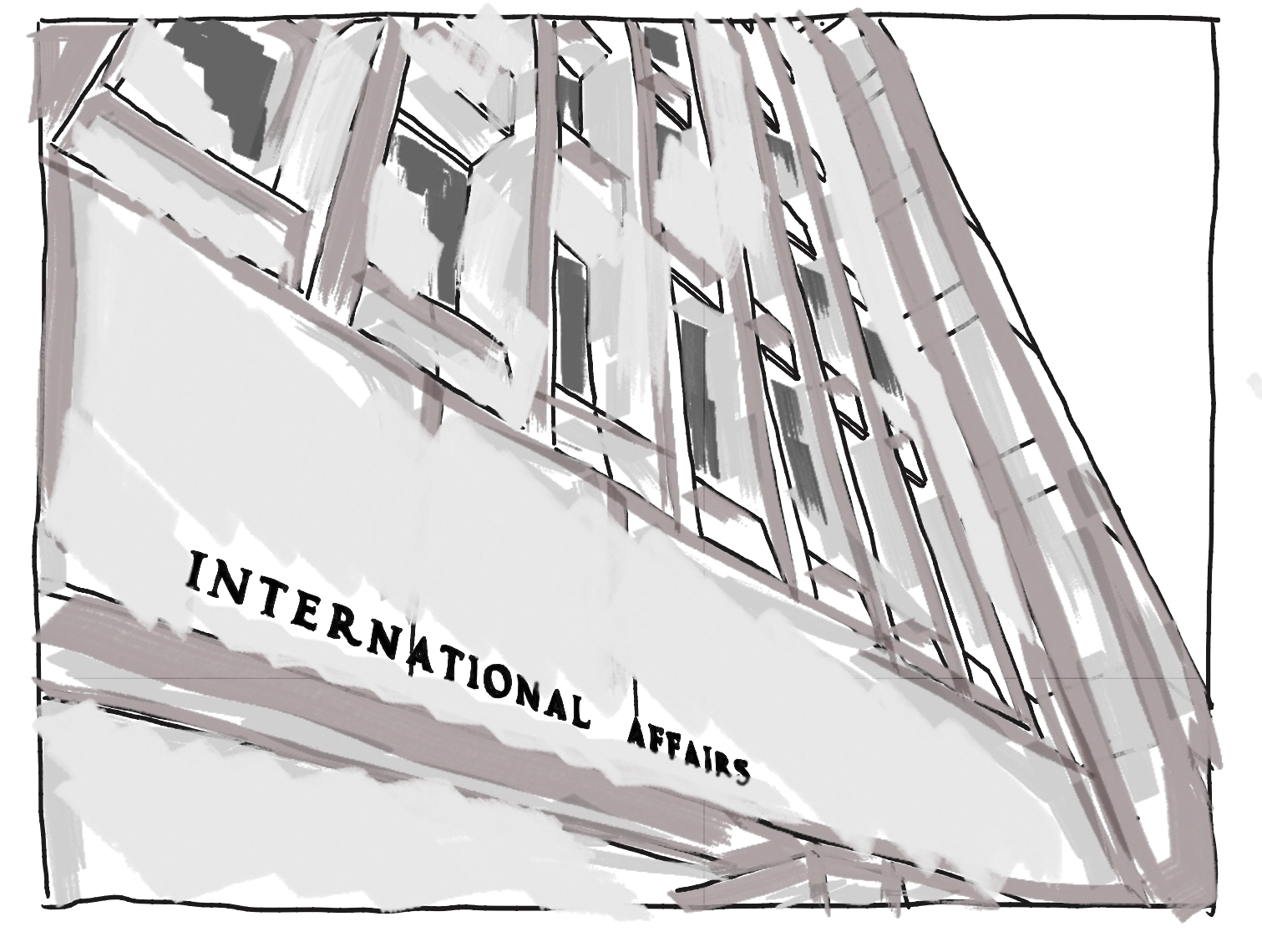
Beneath the beautifully designed posters lining IAB lies a hard truth: aesthetic politics can’t compensate for the limited power of student governance, nor solve the real policy shocks students are now facing.
Thank you, fellow Seeples, for trusting us with your most difficult problems. The Morningside Post is here to help with our best solutions.
During campaign week, The Morningside Post interviewed the SIPASA candidates for insight on why they want to lead our vibrant SIPA community. All candidates were invited to submit 2-3 sentence answers to each question. Then, on Thursday, November 20, candidates gathered for SIPASA Debate Night 2025 to share their visions for SIPA. We’ve compiled these into one complete SIPASA 2026 Elections Voter Guide.
As AI transforms policy and development careers, SIPA’s Career Advancement Center is helping students stay ahead of the curve.
A new app is swooping into New York City’s mayoral race. Palumba, named after the common pigeon, columba palumbus, turns voter education into a game.
On the two-year anniversary of the Hamas attacks on Israel, Columbia University saw two simultaneous commemorations divided by campus gates. Students Supporting Israel held a sanctioned vigil on the West Lawn, while the Columbia Palestine Solidarity Coalition organized a separate “Not a Vigil” off campus after being denied permission to hold their event on University grounds.
In the Trump era, fear has crept into the newsroom. Student journalists are rethinking bylines, archives, and even the meaning of free speech. Anya Schiffrin, award-winning journalist, author, and professor at Columbia University, where she is Co-Director of the Technology Policy & Innovation concentration, writes on the rise of self-censorship among student journalists and the growing risks to free expression on campus.
On Monday, September 29, 2025, Columbia students and faculty gathered in silence at the campus gates to protest the detention and possible re-imprisonment of Palestinian student Mohsen Mahdawi.
On September 2, Columbia professors gathered at the University’s main gates for “Speak Out 2.0,” a faculty-led protest warning against encroachments on academic freedom. The demonstration followed Columbia’s agreement with the Trump administration to restructure faculty governance and pay $221 million in settlements.
Over 25 hours, students, faculty, and staff from across Columbia University stood united at the gates of 117th and Broadway in a show of resistance against what they called federal overreach and university inaction. Organized by faculty, the “Speak Out” brought impassioned testimony, urgent calls to protect student safety, and a defense of academic freedom.
Recent polling shows strong student opposition to recent campus security and other administrative policies. How has the administration responded?
Should the Institute of Global Politics prioritize experience, or values?
University Senator for SIPA Gabriella Ramirez wrote an open letter to Acting President Claire Shipman. On April 4, Senator Ramirez issued a version of this letter at the University Senate's plenary. The Morningside Post has reproduced the contents of the letter below.
One year after being doxed in October 2023, SIPA alumni face inadequate institutional support, relentless harassment, and renewed fears for their safety and careers.
In recent years, the study of mis- and disinformation has again become polarized, as in the 1930s when the world was turning to fascism after emerging from World War I. Funding for mis- and disinformation research has been cut, jeopardizing research at major universities including Stanford and Harvard. With the re-election of Donald Trump as president, researchers are wondering what will come next.
Inside the promises, priorities, and platforms of SIPASA’s next generation of leaders
As SIPASA gears towards the Debate Night, contesting candidates reveal the details behind their campaign promises and share their strategies for addressing SIPA's pressing challenges.
TMaC Specialization hosts its flagship event to discuss foreign news perspectives on the forthcoming US elections.
One year after the events of October 7 2023, Columbia witnesses demonstrations from pro-Israel and pro-Palestinian students on campus.
Columbia University’s SIPA faces criticism over recent course cancellations, sparking concerns about transparency and communication from the administration.
Beneath the beautifully designed posters lining IAB lies a hard truth: aesthetic politics can’t compensate for the limited power of student governance, nor solve the real policy shocks students are now facing.