
Elephants, Camels, and Tigers. Oh My!
By Emma Cregan
At the entrance to Bali’s Tirta Ganga Palace, I watched a man uncoil a snake from his forearm and lower it into a small Tupperware container. He noticed me as I rounded the corner, lifting the reptile towards me as he asked if I wanted a picture. Startled, I shook my head no and scurried away, rushing past multitudes of vendors offering reptiles, bats, and owls for tourists like me to take photos with.
During my Fulbright year in Indonesia, I encountered numerous advertisements for animal tourism. Tripadvisor attractions included “Lunch with Orangutans," “Weekend with Komodo Dragons,” and “Elephant Riding.” Photos showed tourists with beaming smiles, cuddling up to wildlife like Disney princesses with their animal sidekicks. But the perfect photos hid the complex, often cruel mechanisms used to transform nature into tourist attractions.
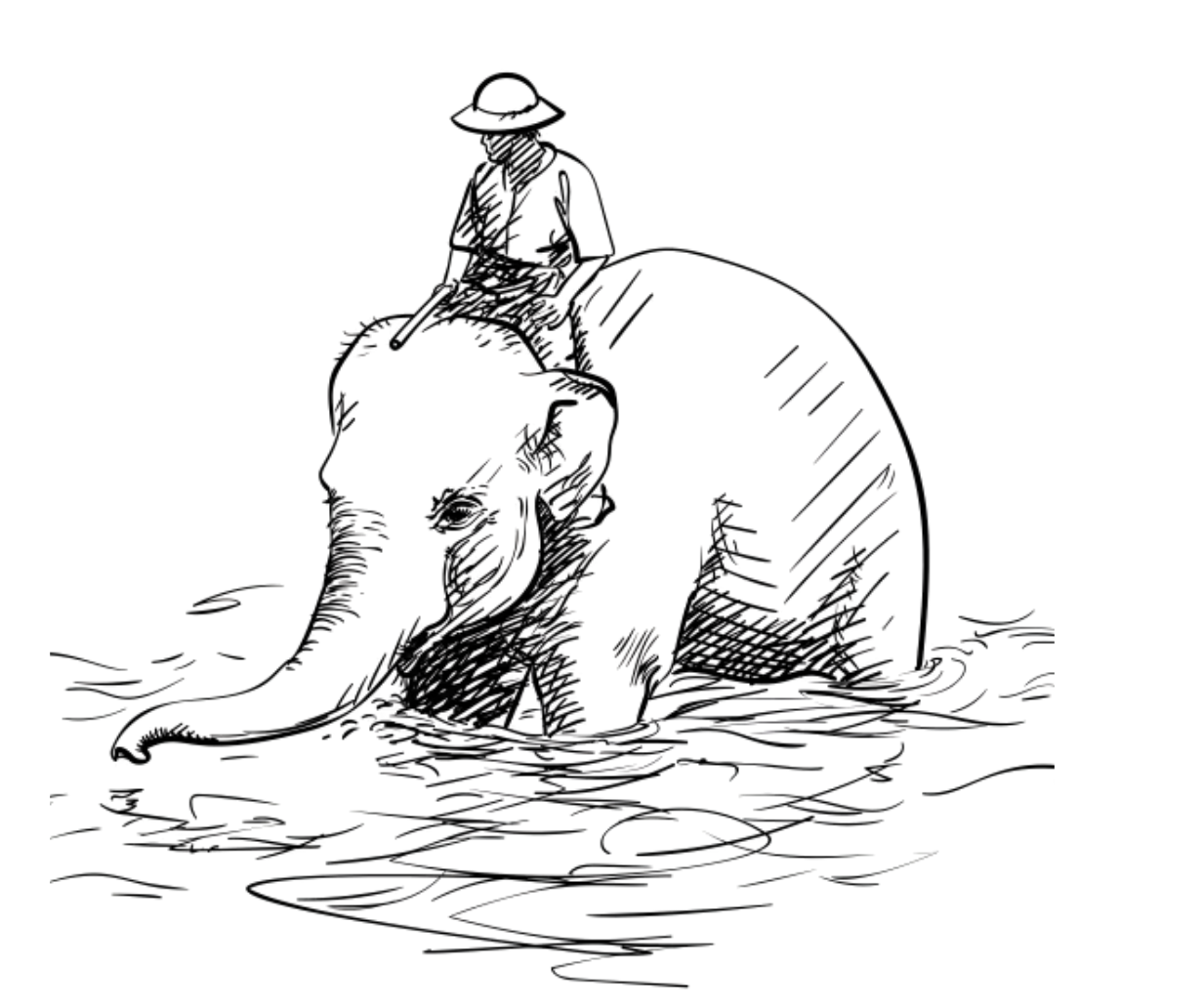
Elephant riding, one of Indonesia’s most popular tourist activities, was banned in January 2026. Tourists are now only allowed to observe park elephants. Elephant riding is a clear case of animal cruelty, involving the inhumane beating of elephants. Elephant abuse underlines the importance of stronger protection measures. Observational activities seem to be a morally acceptable alternative.
Park elephants can graze and socialize, without tourists bouncing on their backs. But even when viewed from afar, elephants remain objects of entertainment. Is ethical wildlife tourism really possible at all?
The tourism world contains a variety of wildlife-centric opportunities. Visitors travel across the world to East Africa to see lions, giraffes, and the African elephant. Australian camels are vehicles for outback riding tours. Indonesia offers Balinese elephant rides and Sumatran tiger treks.
Human presence produces destructive consequences in each of these cases. The African safari industry, for example, can impede environmental protection. To appease tourists, guides drive off designated paths to get closer to animals, destroying foliage. Tourists’ luxury camps, built in rural areas, use up inordinate quantities of water and electricity.
Environmental harm notwithstanding, some conservationists argue that without the safari industry, governments would scale back vital environmental protections. In developing countries, wildlife competes with agriculture and infrastructure, so protecting it comes at a cost. Tourism is a financial incentive for conservation. For some species, wildlife tourism is life-saving, like camels in Australia. Imported by 19th-century European settlers, camels are an “ecological pest” in Australia. Rather than rely entirely on culling camels for jerky, authorities have chosen to promote camel tours of the outback as a way to humanely manage the population. But this solution has created new threats to the camels’ welfare. Opponents argue camels are overworked to the point of exhaustion. And while camel rides are marketed as an “authentic” experience, many of Australia’s iconic landscapes are already accessible via observation points. Reenacting the 19th-century mode of travel does little to enhance the experience.
Wildlife tourism mutates natural environments into playgrounds for the privileged, encouraging the exploitation of animals and communities.
It’s impossible to discuss wildlife tourism without acknowledging socioeconomic dynamics. Wealthy tourists, often from the Global North, travel to the developing world to “experience” wildlife, only to return to modern cities and suburbs. They don’t contend with the consequences of living in close proximity to animals.
I encountered this firsthand when I traveled to Sumatra, hoping to see a tiger. As we trudged through ankle-deep mud in Kerinci Forest, my tour guide laughed and said, “This is white-people vacation.” The tigers never appeared, but the experience stayed with me—ancient trees stretching into a misty sky, bird calls, claw marks on tree trunks made it clear who the forest truly belonged to.
Even then, the difference between my experience and my guides’ was unmistakable. I wore brand-new hiking boots; they worked in worn “booties”. I didn’t stay in a luxury resort, but I still entered the forest out of choice, not necessity. There’s a certain comfort in knowing that not every corner of the planet is accessible—that there are still places where nature exists as it did thousands of years ago. But that comfort depends on distance. For the people who live in these environments, proximity to wildlife is not an experience; it’s their daily reality.
If wildlife tourism is meant to protect natural wonders, then it needs to radically change. Tourists should engage with these environments on more equal terms, accepting discomfort. Perhaps this means forgoing air-conditioned cars and the perfect Instagram shot. To truly value wildlife is not to just observe it, but to encounter it under conditions that reflect its authentic realities.