
Has the Era of Social Media Accountability Begun?
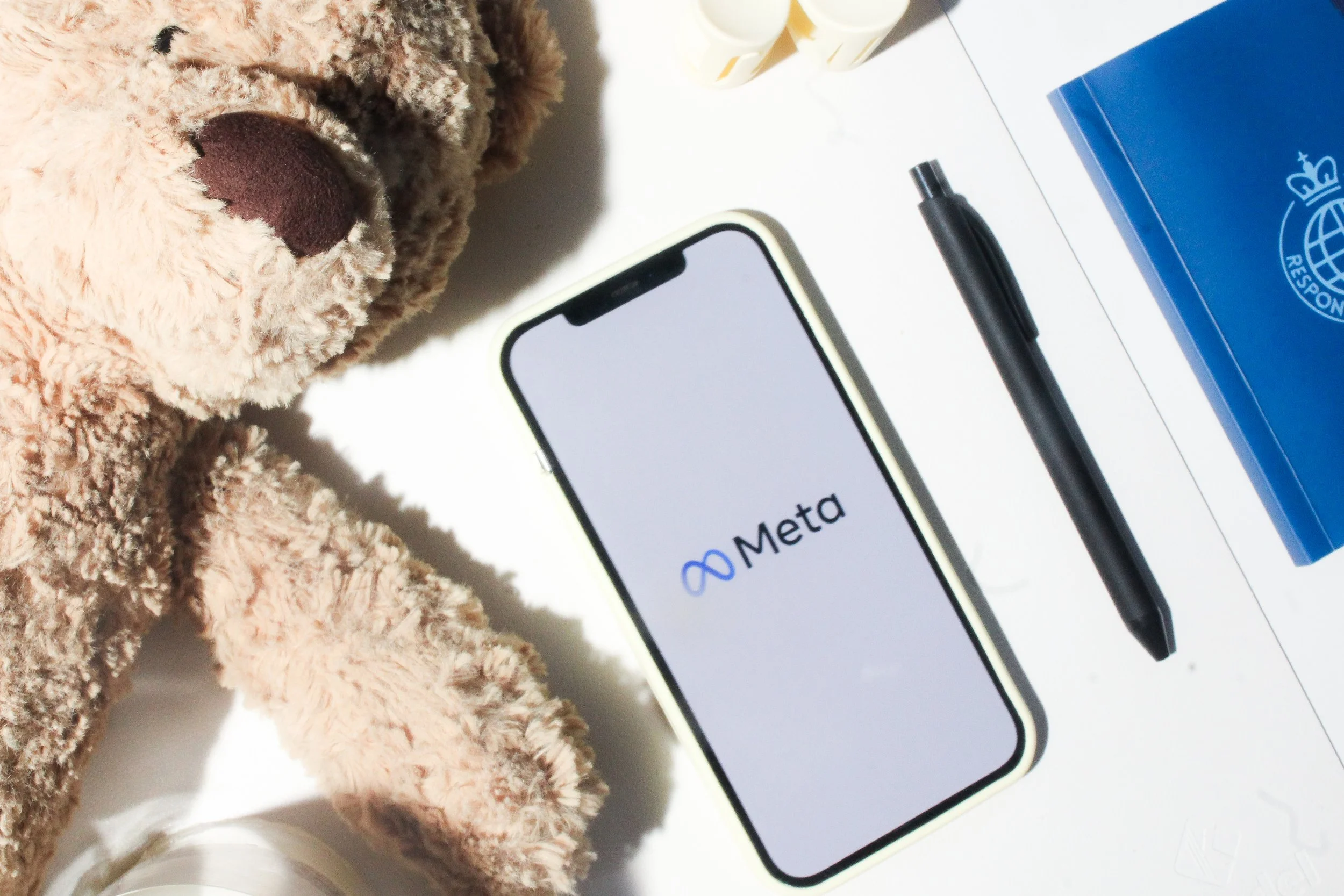
Photo: Sheridan Smith for The Morningside Post
Note from The Morningside Post: An incorrect version of this article was published in the print issue. The corrected version has been updated below and on our website. We sincerely apologize for the mistake.
By Konstantinos Kaouras
As an uncle, I have always worried about my five year-old niece’s exposure to social media. Seeing her hooked on YouTube and other platforms, I can’t help but wonder what consequences social media use might have on her later in her life.
As a millennial, I too have felt the consequences of frequent social media use, having spent evenings doomscrolling into the bottomless abyss of online content while at my most vulnerable. In his book “The Anxious Generation,” Jonathan Haidt warns about the effects of social media’s addictive, algorithmic-driven environments on children’s mental health. In 2023, former U.S. Surgeon General Dr. Vivek Murthy affirmed that the “epidemic of loneliness” created by social media is a public health crisis that must be addressed for children and adults alike.
Despite these warnings, lawmakers, prosecutors, and judges, especially here in the U.S., have been unwilling to intervene. Fortunately, the tide seems to be changing. A recent $17.1 billion settlement between Meta and 52 state and territory attorneys general is a landmark case that has set a new precedent for social media regulation. In this settlement, Meta agreed for the first time to redesign its products and apply default protections to all minors under 18, including by introducing screen-time caps, disabling like counts, and banning extreme makeup and cosmetic surgery filters.
The settlement presents a significant shift in U.S. litigation practice. For years, Meta and other tech companies have used the protections of the First Amendment and Section 230 of the Communications Decency Act as a shield against content regulation or access restrictions on their platforms. They have argued that feeds and content recommendations are editorial choices protected by the First Amendment, while the platforms themselves should be exempt from any third-party content liability.
However, in this breakthrough settlement, the 52 state and territory attorney generals suing Meta argued that it is the platform’s addictive engagement features such as infinite scroll or variable reward feedback loops, rather than the third-party content, that trigger psychological harm and therefore need to be restricted. In this way, the plaintiffs reframed the case from one of speech restriction to one of product safety. It therefore logically flows that Meta should be responsible for the safety of its products, much like a manufacturer of physical goods is held liable for products with known design flaws. The courts upheld these arguments, including the plaintiffs’ claim that Meta’s addictive features should not be protected by freedom of speech, and stripped Meta from its Section 230 immunity.
This settlement appears to align with global trends in social media regulation. Five countries, including Australia, Spain, Greece, and Turkey, have banned the use of social media for those under the age of 15 or 16, while several countries have imposed some form of structural or design controls on social media companies.
The European Union has been a pioneer in this space. The European Commission recently proposed the EU Kids Act, aiming to set a gold standard for social media regulation. The act would mandate “safety-by-design” measures, such as banning infinite scroll, prohibiting nighttime push notifications, and restricting recommendation algorithms. It would also ban the use of social media for children under 13.
The Meta settlement and the proposed EU Kids Act similarly set out to protect the rights of minors. That said, the legal effects of the two are distinct: The Meta settlement is only binding on Meta, whereas the new EU law, if enacted, would be binding on all social media companies that operate in the EU.
Child protection has always been a common ground for international cooperation. Although it has taken over a decade for countries around the world to take decisive and comprehensive action against social media overuse, this recent settlement demonstrates that alignment, even if not intentionally coordinated, is possible. It also shows that we may be entering a new era—one in which the U.S. may be departing from the long-standing precedent of freedom of speech acting as a complete defense against social media regulation. The international community is coming to an agreement that minimum standards on social media use by children are required; and the long-standing dogma that tech can regulate itself—or that social media use is purely a parenting issue—is finally crumbling.
The current state of affairs makes us hopeful that a new era of social media accountability has begun. However, while there is much more that needs to be done to ensure that children are safe on social media platforms, two key priorities stand out. On the one hand, we need closer international alignment and agreement on minimum standards for safe social media use by younger people, much like we have seen in the data privacy space. On the other hand, at the national level, we need federal and/or state legislation, akin to the EU Kids Act, setting and applying safety-by-design standards across the entire social media ecosystem—not just Meta. After all, we have a responsibility to ensure that our children and future generations lead healthier lives on social media platforms. They deserve a childhood, too, as much as we did.