
A Period Piece: How Menstrual Health Is Depicted in Film and Television
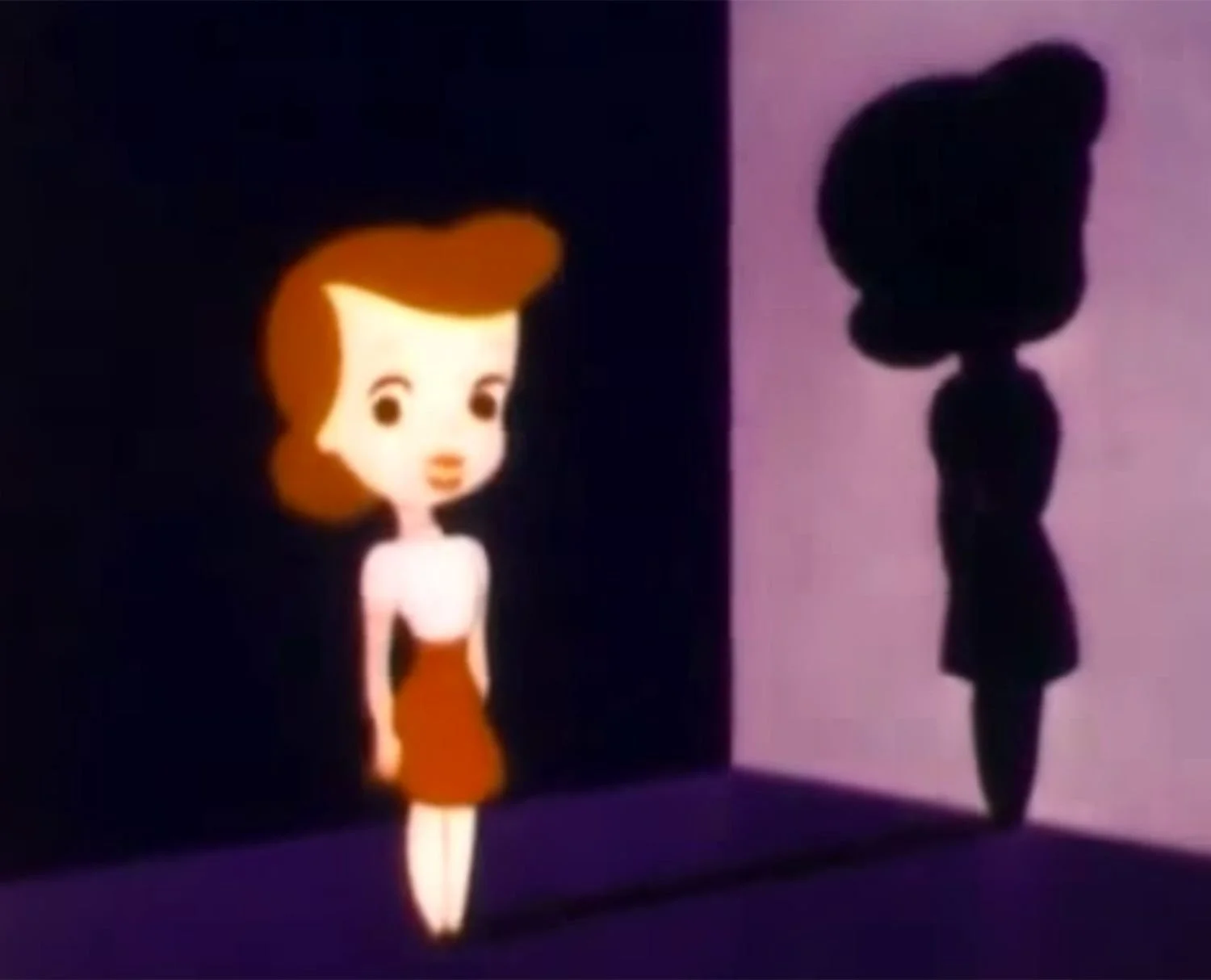
Image Credit: The Walt Disney Studios
By Emma Cregan
Imagine it’s 1946, and you’re a girl in fourth grade. America is rebuilding itself after the end of World War II; change is in the air. It seems like another ordinary day at school, until you walk into the classroom and see the projector set up, ready to play a film. No, it’s not Duck and Cover. Today, you’ll be watching The Story of Menstruation, an animated short created by Walt Disney Studios and Kotex.
The 10-minute educational film matter-of-factly illustrates how hormones and reproductive organs in the female body create the menstrual cycle. Groundbreaking in 1946, the film spoke to girls openly about periods. Before World War II, menstruation was a taboo topic. But when women took over factory jobs during the war, their increased presence in the workplace necessitated better menstrual health education.
Viewed by 100 million students, The Story of Menstruation was praised by both adults and children. Students felt relieved to learn about menstruation in a shame-free way rather than “feeling hush-hush,” according to one account.
Today, there is a dearth of menstrual health education in the U.S., as ongoing culture wars continue to impact American health curricula. When The Story of Menstruation premiered, Americans wanted schools to prepare students for life with a robust health curriculum. However, since the 1940s, American health education has steadily regressed from this norm.
Menstruation is once again a “hush-hush” topic. In a 2019 Saturday Night Live sketch titled "Tampax Secrets," Phoebe Waller-Bridge carries a dog-shit-disguised tampon to the bathroom, commenting on its discreetness. The sketch is a cheeky but pointed criticism of ongoing period stigma: As increasingly awful objects are used to hide the tampon, everything from a dead fish to a copy of Mein Kampf, the sketch makes the audience ask why a tampon is still embarrassing.
Despite the return of taboos, several sitcoms have attempted to introduce Aunt Flow to their storylines. In December 2025, The Simpsons premiered an episode titled “Parahormonal Activity,” in which Lisa gets her first period and Marge begins perimenopause. During its almost 40 years on air, The Simpsons has never discussed the menstrual health of its two leading ladies. Unfortunately, the episode pushes a forced optimism about menstruation: Marge insists Lisa celebrate puberty and Lisa shames Marge for being embarrassed about perimenopause, precluding opportunities for nuanced conversations.
In contrast, Apple TV+’s animated comedy Central Park portrayed the complexity of menstrual health in an episode titled “The PAIGE-riarchy!” that aired in 2022. Attempting to show her daughter Molly that periods are shame-free, Paige throws a surprise “period party.” She invites all of Molly’s friends to their home to celebrate, and Molly is mortified by the experience. The musical number “Why Me Waikiki” is a poignant depiction of the obstacles women face during their periods. Paige recounts an infamous family trip to Hawaii when her mother couldn’t explain how tampons work, resulting in Paige wearing a pad swollen with seawater at the beach. Where The Simpsons falls short, Central Park excels in depicting the messiness of menstrual health.
Neither adult comedy series faced backlash for its menstrual storyline. But children’s media about menstruation suffers far greater reprisals.
Premiering on Disney+ in 2022, the Pixar film Turning Red follows the preteen adventures of Mei, a young girl who transforms into a giant red panda. Angry parents flooded Common Sense Media with reviews claiming the film’s references to periods were inappropriate for kids. One review discouraged parents from showing Turning Red to their children because of “several references to periods and pads.” Another asked, “Why would I need a Disney movie to teach my kid about periods?” They’ve clearly never seen The Story of Menstruation.
Before Mei sprouted bright red fur, the animated series Braceface had a similar battle with parents over periods. In a 2001 episode titled “Worst First Date Ever: Period,” the main character Sharon gets her first period while on a date. After the episode aired, showrunners were bombarded with messages from parents. One mother complained about needing to explain periods to her daughter.
Entertaining media like Turning Red and Braceface are perfect tools for disseminating information about menstrual health to young people, but cultural hang-ups about periods continue to prevent similar stories from being made. The absence of periods in the media sends the message that menstruation is ignominious.
The Story of Menstruation kept a generation of girls informed about their bodies, but the film’s clinical approach failed to humanize the experience. Lisa, Marge, Molly, Mei, and Sharon show the unique challenges everyone experiences on their personal menstrual health journeys. Depicting diverse experiences empowers people with the knowledge to advocate for their health and fight for a world where menstrual equity becomes reality.