
A Chilling Lifestyle in a Warm World
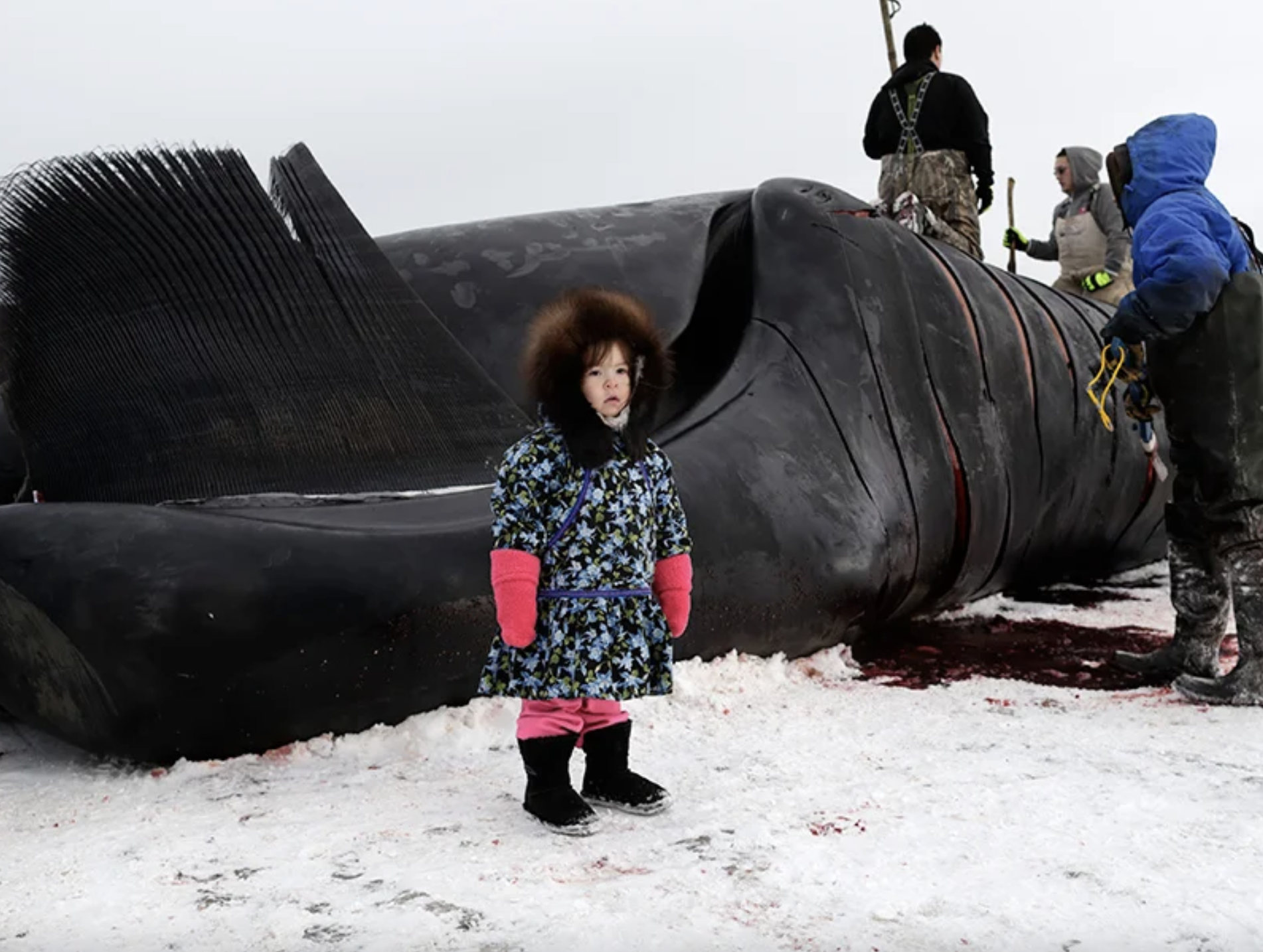
(AP Photo/Gregory Bull/http://theweek.com/captured/441203/alaskas-big-catch)
By Sneha Shree Saikia
Utqiaġvik, Alaska, where the Arctic Ocean meets the crown of the world, is home to the Iñupiat people. For this indigenous Inuit community, life once harmonized with the seasons. Each spring, Iñupiat whalers would paddle out on umiaqs to harvest bowhead whales, slicing through three feet of solid sea ice. The air hummed with purpose: Women sliced muktuk into translucent slabs, elders fermented seal oil in stone crocks, children dried fish under the Arctic sun.
(AP Photo/Alaska Native Tribal Health Consortium)
Now, that ice betrays them.
Arnold Brower Sr., a respected whaling captain and Utqiaġvik community leader, witnessed the transformation of the tundra first-hand. In a 2008 interview, he explained: “In October the thickness of the ice was about… maybe eight inches… we could even cross this by dog team, this area. You can't do that in October now because it doesn't freeze up that way…”
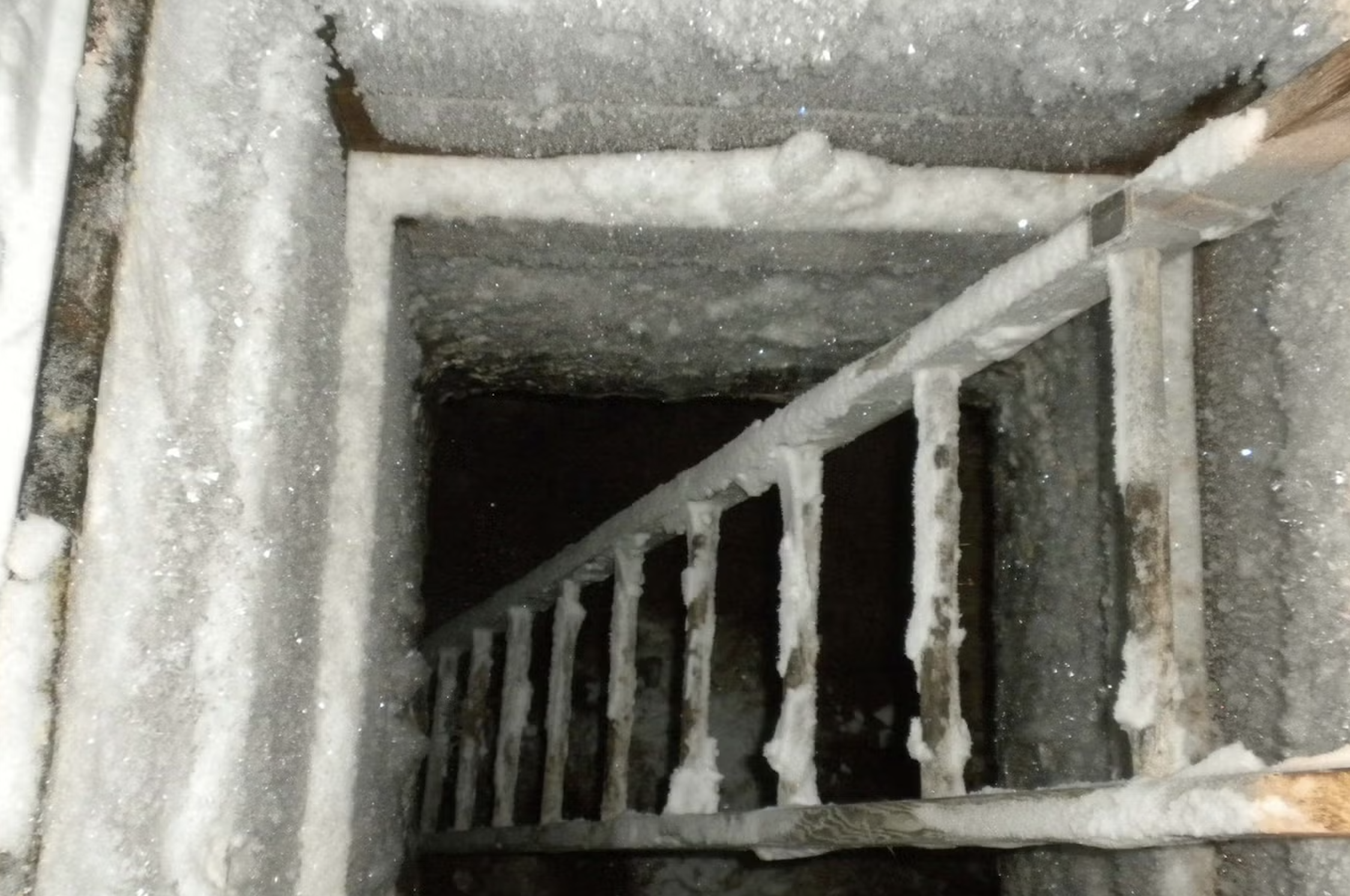
Climate change strikes in Utqiaġvik like a thief in the night. The North Slope is warming at four times the global rate, forming and melting ice at unfamiliar times. The hunters’ reliable ice highway to fish now cracks open unpredictably. Permafrost thaws into soupy mush, threatening to collapse underground ice cellars that store whale meat, fish, and berries year-round. Meat spoils when these cellars warm, heightening the risk of botulism outbreaks among those who have long depended on this diet.
Seasonal gathering is now a gamble. Caribou herds arrive late; berries rot in unseasonal rain. The fall whaling season now faces thinner ice and unpredictable storms, making each expedition riskier. Evelyn Donovan, another Iñupiat hunter, described the emerging unpredictability of fishing patterns: “We normally would put our net in the middle [of the lake]. So I can't even put a net out over here cause it's drier and it's not deep enough to put a net out. This is completely dry... And I'm seeing more ponds on this end while [pointing elsewhere] this side is drying up a little more.”
The gap between past practice and present reality reaches into the kitchen, the heart of Iñupiat life. Traditional meals like muktuk dipped in seal oil, sun-dried salmon smoked over driftwood, and akutaq—a creamy mash of whale blubber, berries, and snow—pack nutrients vital for Arctic survival. Omega-3s preserve heart health, while vitamin D guards against rickets and vitamin C prevents scurvy. For much of the last century, this diet kept diabetes rates low and heart disease far less common than it is today.
Now, families increasingly rely on canned Spam, instant ramen, and white bread. In some indigenous Arctic communities, traditional “country foods” provide just 16 percent of calories.
The challenge gnaws deeper than hunger. Store-bought food in the Arctic costs two to three times the national average. When hunting followed predictable climate patterns, traditional food remained physically accessible and economically sustainable. Today, a failed hunt forces families to choose between costly, nutrient-poor foods and empty freezers. Young hunters face unknown dangers as they navigate unstable ice patterns their elders never encountered.
Communities adapt. They share freezers. They share meals. They stretch meat with gathered greens. But adaptation has limits.
Through organizations like the Inuit Circumpolar Council, the Iñupiat decry what policy dialogues often overlook: food sovereignty. At stake is their right to feed themselves from their own land and sea, key to sustaining their health and their culture. Traditional foods carry generations of knowledge. When policy ignores this—focusing on emissions while cellars flood and caribou routes vanish—Iñupiat culture starves. Elders lose opportunities to teach grandchildren how to navigate ice or ferment seal oil. Communities lose the shared feasts that bind them together.
Much of today’s global policy discourse harbors this silence. From COP to national conferences, policymakers center discussions on carbon emissions, energy transition, and technological integration while sidelining the food systems that Inuit communities—and the wider world—depend on for survival. The experiences of the Inuit demonstrate that adaptation strategies cannot ignore food sovereignty without risking cultural erosion. For the Inuit community of Utqiaġvik living on thin ice, food sovereignty is survival in today’s warming and transforming world.