
When Protection Fails: Why Xiao Luoxi’s Death Felt Unbearably Heavy
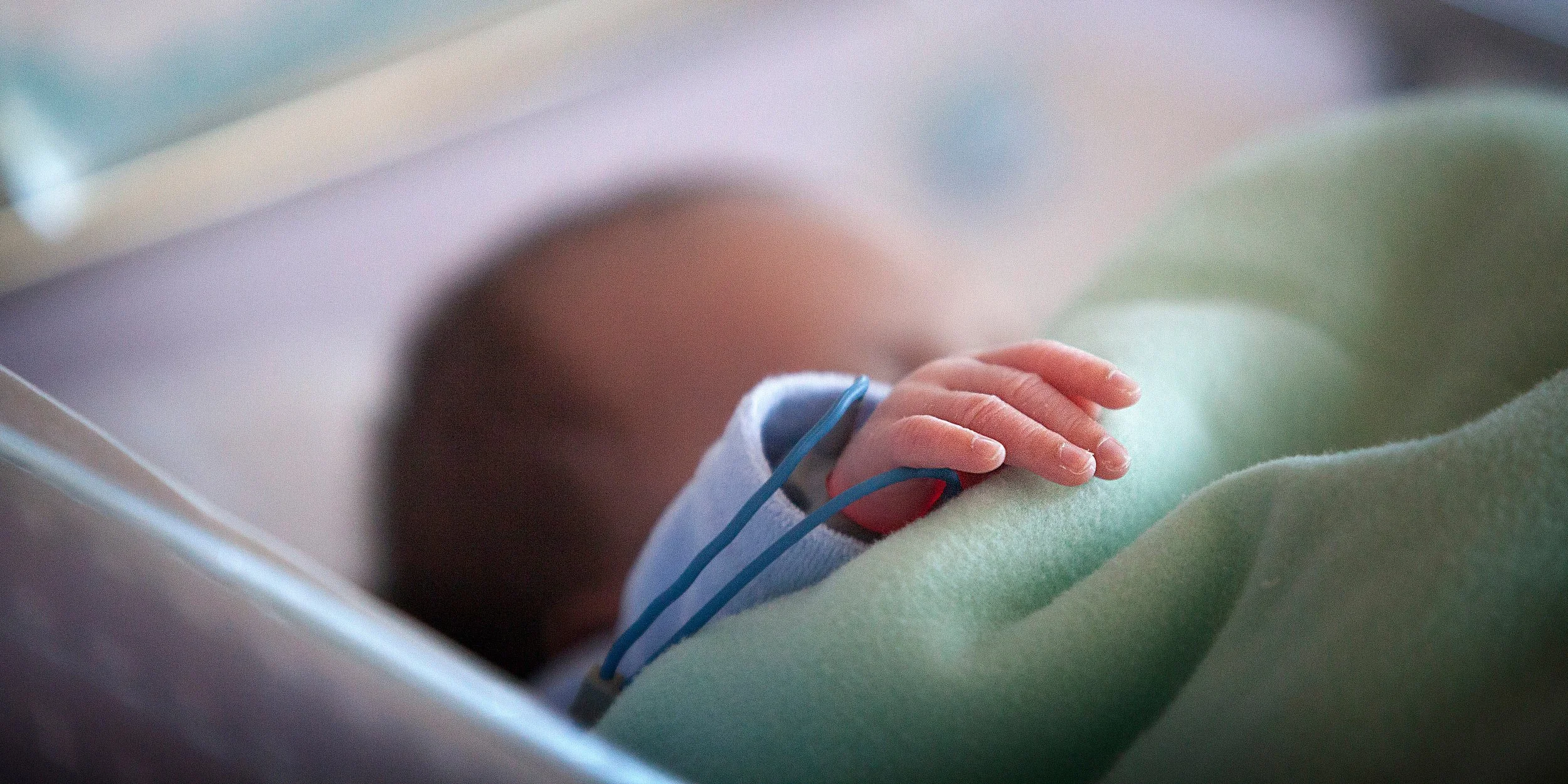
Image Credit: Sixth Tone
By Jiayuan Tian
On November 14, 2025, in the early hours after what the doctors described as a routine heart surgery, a five-month-old infant in Ningbo never woke up. Outside the operating room, her parents waited for news that would bring relief.
Instead, the silence stretched on. By the time explanations arrived, their child was gone.
The infant, Xiao Luoxi, died that night. A collective weight followed the grief—one that spread far beyond one hospital or family. Across China, many felt this case land with unusual force. Not because infant deaths are unheard of, but because this one exposed a vulnerability that felt painfully familiar.
Xiao Luoxi was born prematurely in May 2025. In mid-November, a follow-up exam led doctors to diagnose her with atrial septal defects. Her family was told that surgery was necessary and low-risk, expected to last under three hours. It extended to more than seven. By the night’s end, the child had died.
In December, the Ningbo Municipal Health Commission released an investigation summary acknowledging deficiencies in risk assessment, surgical operation, intraoperative communication, and postoperative monitoring. The commission disciplined several hospital staff members. Yet the statement deferred determination of medical fault, leaving core questions unresolved: Was the surgery truly necessary at that moment? Were risks fully communicated to the family? What exactly happened during those missing hours?
For many observers, this combination of partial acknowledgment and delayed accountability felt deeply unsettling. The heaviness of the case came not from dramatic accusation, but from uncertainty layered on irreversible loss.
Though the contexts differ, the memory of delayed disclosure continues to shape public expectations. The 2008 Sanlu milk powder scandal, in which contamination reports were initially suppressed before the scale of infant illness became undeniable, left a lasting impression on how official assurances are received by the public. Officials offered full acknowledgment and accountability only after widespread harm became undeniable. Against that historical backdrop, early reassurances that later give way to partial disclosures naturally trigger skepticism. When investigations cite procedural deficiencies yet stop short of assigning responsibility proportionate to the loss, observers no longer perceive the response as an isolated case.
While each case is presented as the product of unique circumstances, together they form a recognizable pattern—one in which families are asked to trust opaque systems, accept delayed explanations, and wait for accountability that may never feel complete. Over time, this accumulation produces a quiet but persistent fear—not of individual doctors or hospitals, but of institutions that appear orderly while remaining difficult to question from the outside.
This shared memory, built across cases rather than within a single tragedy, shaped the public response to Xiao Luoxi’s death. People were not reacting only to what happened in one operating room, but to what they had seen happen before: moments when protection was promised, procedures were cited, and yet vulnerability remained unresolved.
Infants represent absolute dependence. They cannot speak, consent, or protect themselves. When something goes wrong, families rely entirely on professional judgment, documentation, and institutional honesty. In Xiao Luoxi’s case, that trust fractured. Public attention quickly focused on the absence of retrievable operating room footage. Authorities confirmed that cameras existed but that the wide-angle camera did not store recordings. While officials stated this met regulatory requirements, many interpreted the absence of footage as symbolic rather than technical—a visual reminder of how little families can truly see.
On Weibo, screenshots of the Health Commission’s statement circulated widely. Commenters questioned why a surgery described as “low-risk” lasted more than seven hours. Some parents wrote that they imagined themselves waiting outside the operating room. The tone was weary, driven by a shared sense that answers often arrive too late, if at all.
What ultimately made this case feel exceptionally heavy was the realization that protection can dissolve even when systems appear intact. Officials followed procedures, conducted reviews, and issued disciplinary actions. Yet none of these steps restored clarity or eased the sense that opaque systems leave families exposed.
Surveillance, investigations, and regulations matter. But they cannot replace the ethical responsibilities that institutions must actively demonstrate, communicate, and uphold. When harm occurs, families need more than compliance statements. They need timely truth, intelligible explanations, and recognition of their loss as more than an administrative incident.
Xiao Luoxi’s death resonated because it forced a question many hesitate to voice: What does protection mean when rules exist, but reassurance fails? What does it mean when expertise becomes unreachable, and trust becomes a risk rather than a safeguard?
Until institutions can answer that question with transparency and humility, tragedies like this will continue to feel unbearably heavy—not only as private losses, but as collective reminders of how fragile protection can be.