
Whatever You Think is Happening in Minnesota, it’s Worse
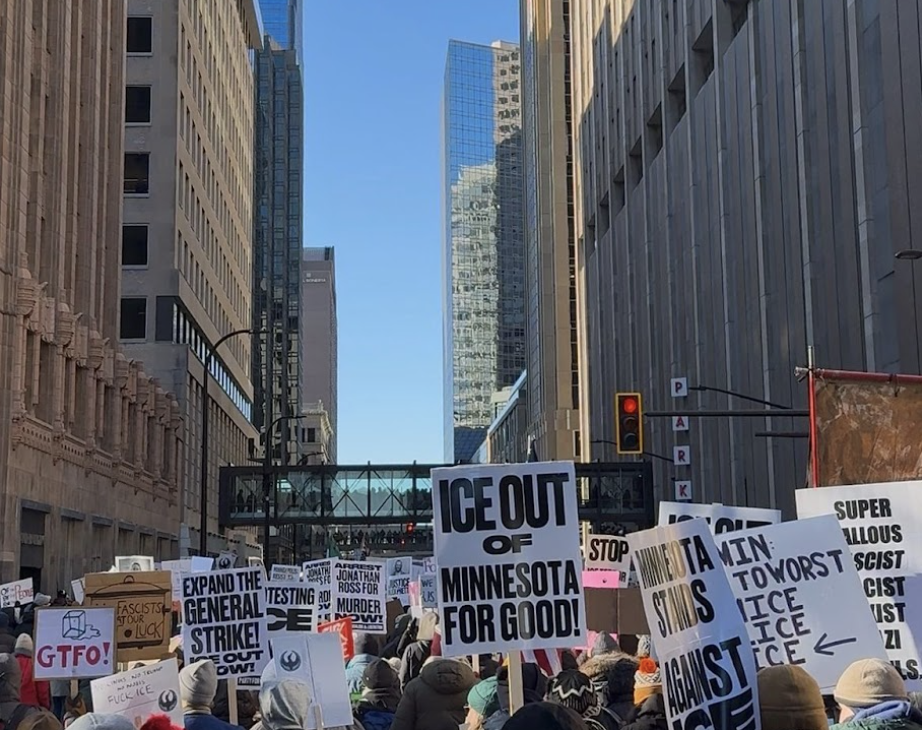
Image Credit: Ethan Dorn
By Sneha Sinha
On January 7, Immigration and Customs Enforcement (ICE) officers stopped and shot Renee Good in broad daylight in Minneapolis, Minnesota. Seventeen days later, five blocks away, federal agents killed Alex Pretti.
Both shootings took place less than a mile from where Derek Chauvin murdered George Floyd, in a haunting eight-minute video that many of us saw on our social media feeds in 2020.
Minnesotans are no strangers to enforcement malpractice, but today’s atmosphere feels like imprisonment. Last December, the Trump administration’s Department of Homeland Security (DHS) launched Operation Metro Surge, deploying immigration agents to deport and apprehend undocumented immigrants in Minnesota. So far, immigration agents have arrested over 4,000 people in the midwestern state.
Since then, the “largest DHS operation ever” keeps many Minnesotans, particularly people of color, at home. Immigrants, permanent residents, and citizens alike are terrified to visit friends, go to doctor’s appointments, pick up their kids from school, and go grocery shopping. Restaurant owners Cristian and Karen DeLeon closed three of their five locations, and are now preparing to file for Chapter 11 bankruptcy because employees and customers are too fearful to leave home. This same fear reverberates through the Twin Cities and their suburbs.
Lydia Anshus, who moved to Minnesota eight years ago for college, described the hypervigilant atmosphere: “Everyone’s very watchful. You’re just looking at everyone, and keeping your eyes up. You’re getting messages on your phone, wanting to check them immediately to see if ICE is close to you.” Anshus went on to describe how, on a recent morning run, she passed a car with its windows punched out. Bystanders told her that ICE agents had detained the driver moments earlier, leaving the vehicle running in the road.
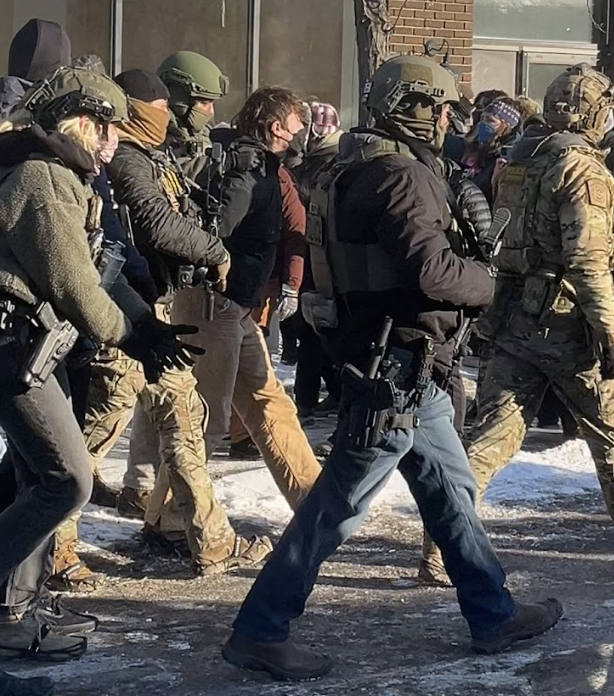
Image Credit: Lydia Anshus
In this arena, fatigue is just as powerful as force.
Operation Metro Surge is yielding a volume of arrests, shootings, and investigations that are impossible to follow. Beyond Pretti’s and Good’s deaths are more stories of ICE-inflicted violence against immigrants that have not captured media attention. On January 8, a day after Renee Good’s death, ICE officers in Minneapolis threw Castañeda Mondragón, a Mexican citizen who overstayed his work visa, to the ground and struck him in the head with a steel baton. Mondragón sustained eight skull fractures and had to go to the ICU. But ICE agents testified that Mondragón did this to himself, attempting to flee while handcuffed. By the time investigators requested surveillance footage from nearby businesses, the videotapes had been overwritten.
ICE’s violence does not just pervade Minnesota. Immigration agents killed Silverio Villegas Gonzalez in Chicago, Isaias Sanchez Barboza in Texas, and Keith Porter Jr. in California, all in the last five months. Across the nation, federal immigration agents unabashedly tackle, tase, tear gas, pepper spray, and shoot America’s residents. These cases are amassing faster than they can be digested—or litigated. Fatigue is thus not incidental, but strategic.
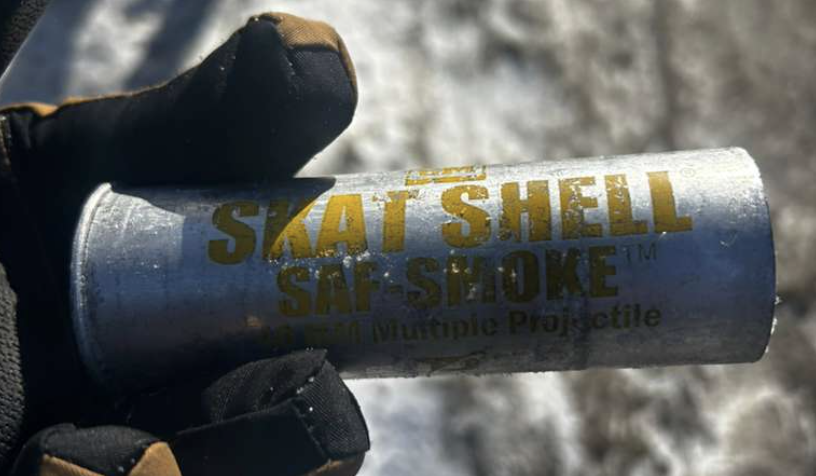
Image Credit: Nathanael Ashton-Piper
When exhaustion limits our attention spans to headlines rather than stories, exhaustion gives way to desensitization. After Pretti’s death, border czar Tom Homan announced that 700 federal agents would leave the state immediately. Weeks later, Homan said that another 1,000 agents would depart. To most media consumers, this sounds like a significant drawdown. But at its peak, 3,000 federal agents were deployed to Minnesota for Operation Metro Surge. Even after reductions, the remaining force still roughly doubles the Minneapolis Police Department, which only has 600 officers. The news clips suggest de-escalation, while the reality is sustained presence.
On the ground, Minnesotans counter this weariness with forceful resolve. Minneapolis mayor Jacob Frey’s demand for ICE to “get the f*ck out” was powerful—but the Minnesotans mobilizing on the streets have been even more impactful.
On January 23, the day before Pretti was killed, over 75,000 people marched through downtown Minneapolis in the nation’s first citywide general strike in 80 years. Local musicians released compilation albums at a protest concert at First Avenue, an iconic concert venue made famous by Prince. Tattoo artists inked flash tattoos with designs like “Be Pretti Good,” donating profits to support families affected by Operation Metro Surge. Soccer moms formed ad hoc mutual aid networks on Signal to coordinate grocery deliveries to immigrant families in their school districts.
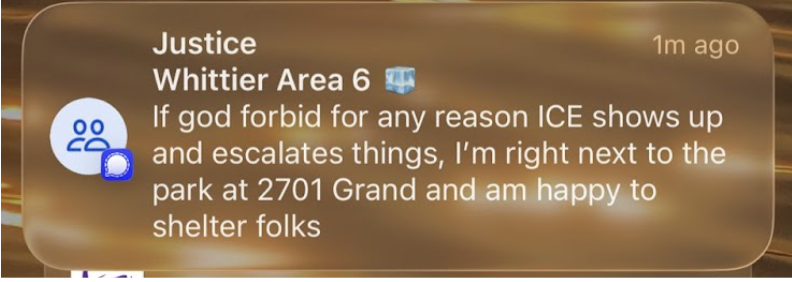
Signal Chat received by Lydia Anshus at 6:03PM, January 24th, 2026 . That day, ICE agents shot Alex Pretti.
As a Minnesotan myself, my Instagram feed has been saturated with friends posting fundraisers and organizing drives. Hossam Halaweish, a medical student at the University of Minnesota, is currently hosting an “ICE OUT: Print Sale” of his photos, donating proceeds to the Rapid Response Fund. Elena Lompado, a medical devices engineer, 3D-printed whistles and left them outside her door for her neighbors to take to protests.
Stereotypes cast Minnesotans as passive-aggressive, or “Minnesota nice.” But the past 70 days has exposed the community’s true grit. Ethan Dorn, another Minnesota resident, reflected: “Change and growth are happening in Minnesota, and I hope around the country as well. It’s just so unfortunate that it took this level of cruelty to get there.”
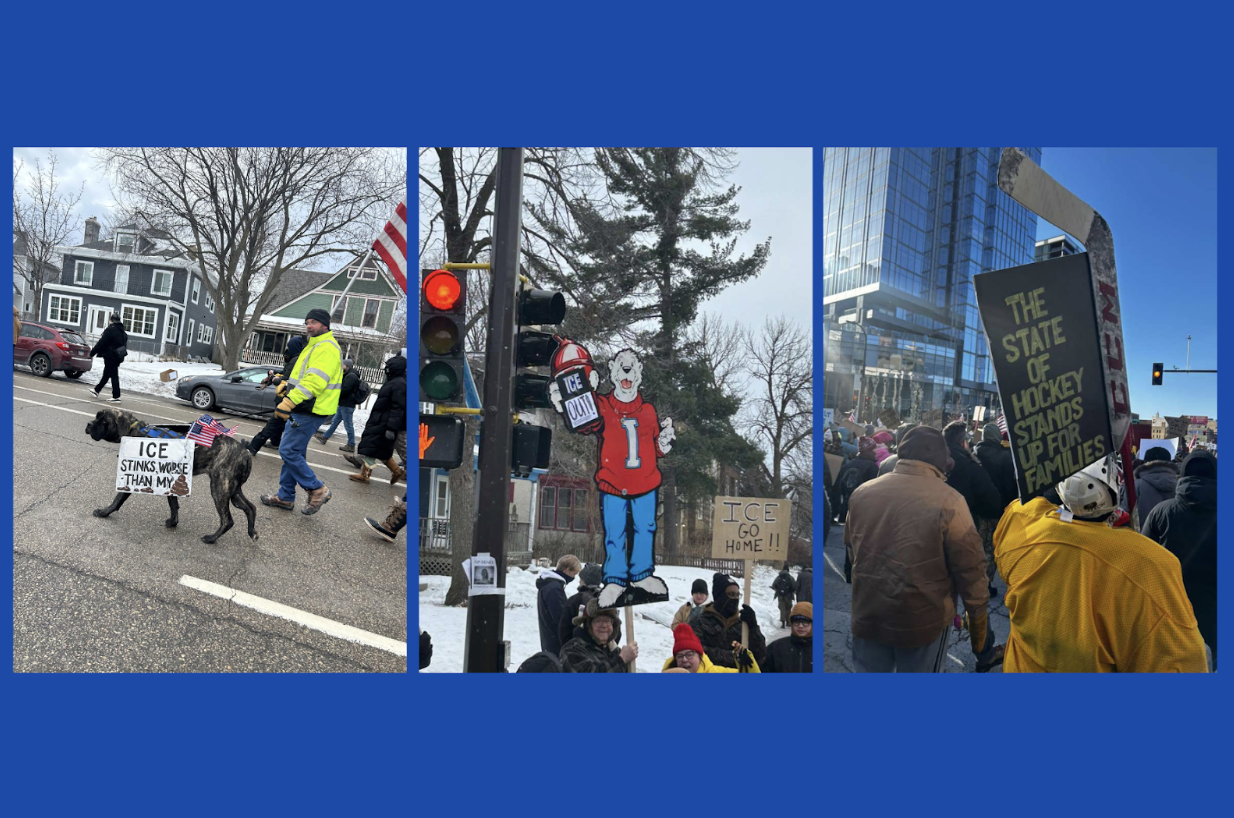
Image Credit: Nathanael Ashton-Piper
“Whatever you think is happening in Minnesota, it’s worse” is a quote I’ve heard repeatedly from friends and family.
As of February 13, Operation Metro Surge had caused over $200 million in economic damages in Minneapolis, according to the city’s preliminary impact assessment. Businesses lost workers and customers, food and shelter security wavered, and residents needed mental health support. Local business owners say the economic damage is akin to the COVID-19 era. While economies can build back, trust rarely does.
Minnesotans will forever possess tattoos, compilation albums, photos, and whistles as memorabilia of this time. But the most enduring consequence will forever be the memory of a federal government that intimidates, injures, and exhausts the very people it's meant to protect.
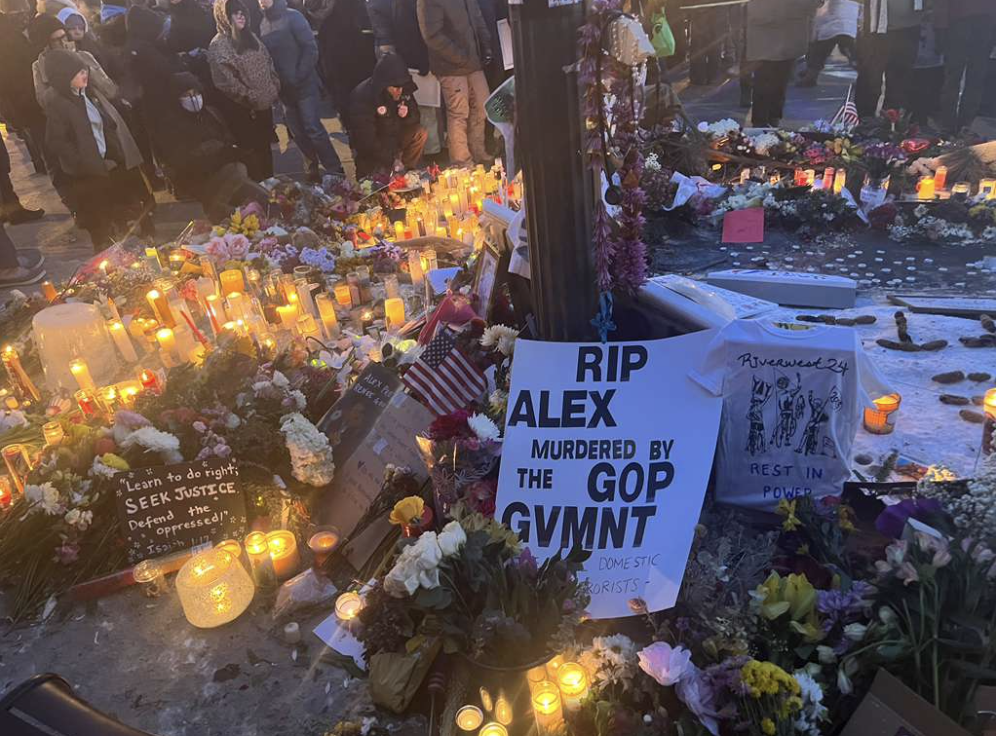
Image Credit: Lydia Anshus
Note from the author – if you are looking to support local efforts in Minnesota, here are some organizations that you might consider donating to:
Unidos MN Education Fund – Monarca, rapid-response infrastructure
Compilation album of local Minneapolis bands: “thaw”