
An Autocrat of All Trades
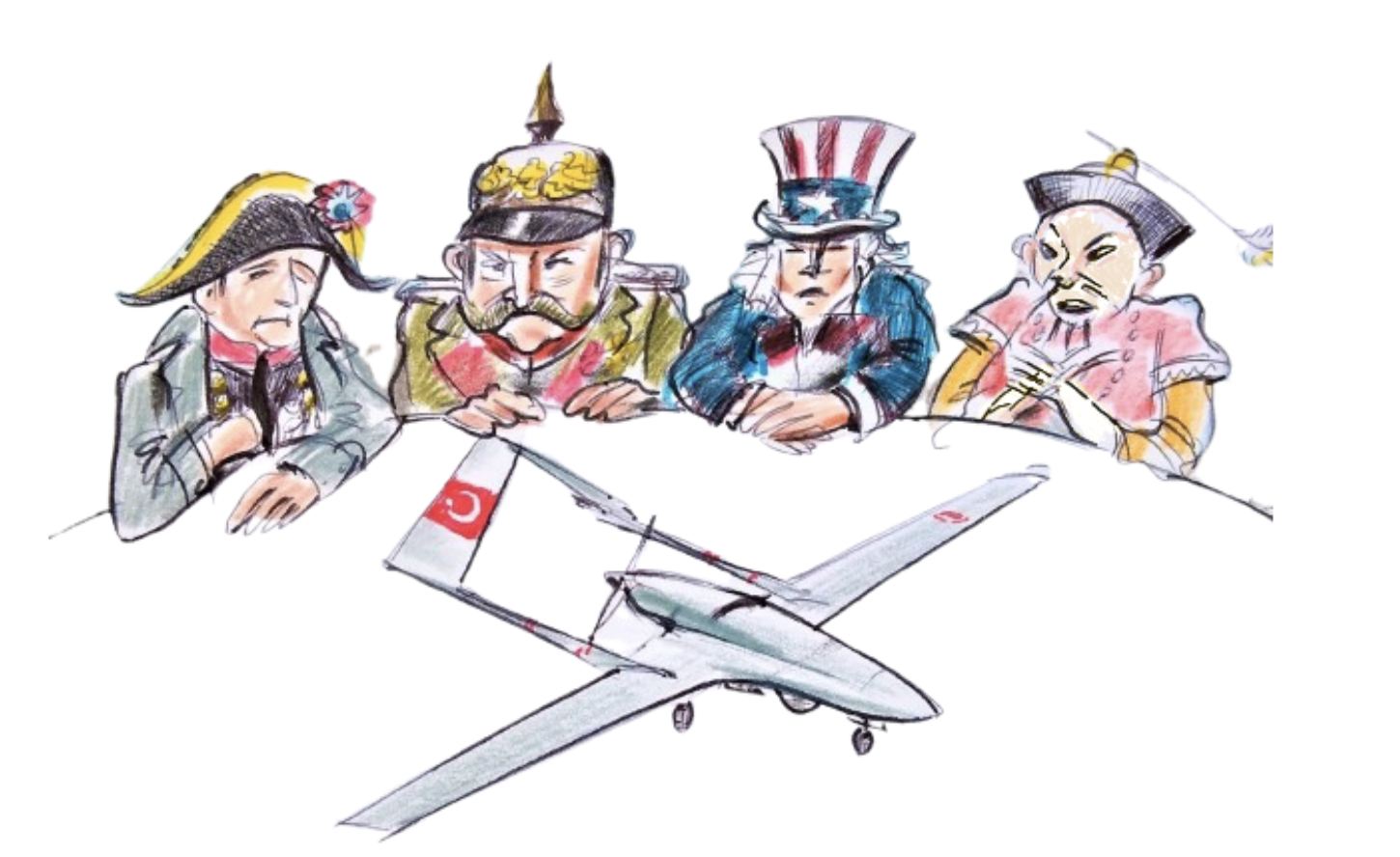
Erhan Yalavaç/Daily Sabah
By Irmak Ersöz
War. Authoritarianism. Fraud. Terrorism. Espionage. Back-alley deals. Betrayal. Backtracking on big policies. Lying about even bigger policies. Cozying up with exes—or even worse, sworn enemies.
That laundry list of political rifts should be enough to send any diplomatic relationship up in flames. Yet, Turkish president Recep Tayyip Erdoğan keeps U.S. presidents coming back for more—Republican or Democrat, pacifist or warmongering, isolationist or globalist. And surely, it’s not due to Erdoğan’s irresistible charms. I mean, have you seen the guy?
To my domestic peers, Turkey might be anything from a simple NATO member to an unfamiliar Middle Eastern country that has pretty good food. To my international peers, Turkey is likely a popular layover for travels home, or a cheaper alternative to Mykonos made possible by decades of economic crisis and for-show elections. To many of my fellow Turkish students, Erdoğan is the very barrier to an authentic existence. Yet, in SIPA classrooms, Erdoğan is just another dictator—one the U.S. doesn’t hate enough to remove by force. Yet many never question why.
Given the fates of Maduro and Khamenei, you would think that Erdoğan would be the perfect next target for Trumpian interventionism. On the surface, he fits the bill: He uses Islam to repress the Turkish public—regardless of whether you voted for him. He jails his opponents, silences media outlets he can’t buy, and unapologetically sidelines democracy every election year.
In fact, Erdoğan isn’t just another man obsessed with power; he is one of the most nimble and strategic dictators to have walked the line dividing East and West. Erdoğan is one of the only world leaders to maintain relations with countries that hold deep distaste for one another. Turkey is the only NATO ally that has purchased Russian missile systems and gotten away with it. Erdoğan has succeeded in cutting off diplomatic and trade relations with Israel while avoiding Trump’s cascade of tariffs. He has taken in millions of dollars in Chinese infrastructure investment and vehemently opposed two Scandinavian NATO bids, all while holding monthly tea with Putin.
Turkey’s divided affections are not just for show. Canoodling with this many leaders has produced a convoluted yet successful diplomacy for Erdoğan, one where he constantly gets the best of both worlds. Who else thought Turkey could stay in NATO while never really breaking up with Russia, staying silent about Israel, and staying out of the military aftermath of U.S. aggression in Iran?
So, what does the U.S. gain in all of this? Why keep around a country barely the size of California that’s entangled with many foreign adversaries and even more foreign debt? Isn’t a dictator who balances too many conflicting interests an enormous liability?
Well, in our increasingly polarized, armed, and volatile world, Erdoğan playing to opposing sides is not the last straw but an opportunity. A semi-powerful autocrat who can maintain the goodwill of some of the most unpredictable, violent, and rash leaders of the world appears to be the perfect cushion between diametrically opposed countries. And with its return to interventionism under Trump, the U.S. needs Turkey more than ever.
Whether to retain one of the only NATO air bases even remotely close to the Middle East, or to bring Russia to the table on Putin’s worst day, Turkey’s endless situationships with authoritarians in the new world order enable the U.S. to communicate, move, and strategize in otherwise impossible ways. When the rest of the world seems set on picking sides, the man who can talk to anyone is perhaps the only man worth talking to.
But, as always, there’s a catch: You can never know what Erdoğan’s next move will be. Will he praise Khamenei’s successor or allow the U.S. to attack Iran from Turkish territory? Or, will he buy another Russian missile defense system? Maybe it’ll be Chinese this time around.
As with any other autocrat, Erdoğan’s most dangerous quality is his unpredictability. While it has enabled him to walk the tightrope of foreign policy for 20 years, you can only rebalance conflicting interests and walk away with a sweeter deal for so long. Ask any Turkish person: the stories of Erdoğan’s domestic whims are endless. Whether that volatility will ever reflect on his foreign policy remains a question—one that can’t be answered without paying attention to Erdoğan’s every move. As American actions threaten the very existence of the Middle East, Turkey lurking in the shadows needs to be watched closer than ever. Who knows what might happen to the global order if Erdoğan gets up on the wrong side of the bed?