
Pothole Politics: What has Mamdani Achieved So Far?
By Krish Rajkumar Sabnani
Whether hiking in the Andes, enjoying a Sicilian summer, or roaming the streets of Osaka, New Yorkers around the globe are experiencing a shared phenomenon: We keep getting asked about Mayor Zohran Mamdani.
Mamdani moved to New York City at age seven from Kampala, Uganda, when his father—Mahmood Mamdani—was appointed Director of the Institute of African Studies here at Columbia University. As a result, Mamdani grew up in Morningside Heights, played soccer in Riverside Park, and attended The Bank School for Children on 112th Street. Columbia and Morningside are clearly close to our mayor’s heart, and he has taken steps to improve the community, including revamping street trash cans, and transforming three long-neglected buildings at ANCP Morningside into permanently affordable, shared-equity cooperatives for working-class New Yorkers. Recently, he advocated for reopening the Columbia campus gates, reviving a court filing that has been in limbo for over a year.
Outside of Morningside Heights, the Mamdani administration has carried out policies that impact residents in all five boroughs. Almost a year into his tenure, how has he performed on his key campaign promises?
Universal Childcare
On the eighth day of his tenure, Mamdani—in partnership with NY Governor Kathy Hochul—announced over 2,000 fully subsidized child care slots for children up to two years old. Offers for the inaugural seats began rolling out in August, saving families over $23,000 a year, and the city will soon announce details of its plan to expand this provision to 12,000 children in 2027.
Fast and Free Buses
On July 8, Mamdani stood alongside Hochul to announce his “Next Stop: Fast Buses, Better Service” plan; a commitment of $882 million over five years to cut six minutes off of 50 priority transit corridors. His administration is collaborating with the MTA to achieve this through 28 ongoing bus-lane projects—including Bus Rapid Transit lanes—separated from other traffic. The 51-page plan does not mention the “free” part of his promise, yet he remains committed to this goal.
City-Owned Grocery Stores
Mamdani and the New York City Economic Development Corporation announced in April that the Administration will build one city-owned grocery store in each borough, with the first opening being planned for the end of 2027. The Manhattan location—La Marqueta in East Harlem—is to be built from the ground up and will open by 2029. Under the “NYC Groceries: A Recipe for Affordability” plan, a core basket of groceries will be 30 percent cheaper than today and remain at locked prices. This policy has received pushback, including from the Multicultural Business Coalition, which filed two lawsuits in August, arguing that the stores could threaten bodegas and independent grocers across the city.
Rent Freeze
The Mayor-appointed Rent Guidelines Board voted to freeze rents for two years on more than 40 percent of apartments across all five boroughs. This is a strong step toward one of his key campaign promises, especially so given that the median rent in Manhattan has reached $5,295 per month. While this ruling is set to apply for leases starting on October 1, a Manhattan judge has dealt a setback, ordering Mamdani’s administration to turn over communications it had with the panel amid a lawsuit from affected landlords.
Corruption & Workers’ Rights
Last year, DoorDash spent $1.4 million against Mamdani’s campaign, and now we know why: On September 22, Mayor Mamdani announced a historic worker settlement enforcement action of $131 million against Doordash to be paid directly to 260,000 delivery workers for systemic violations of NYC’s Delivery Worker Laws.
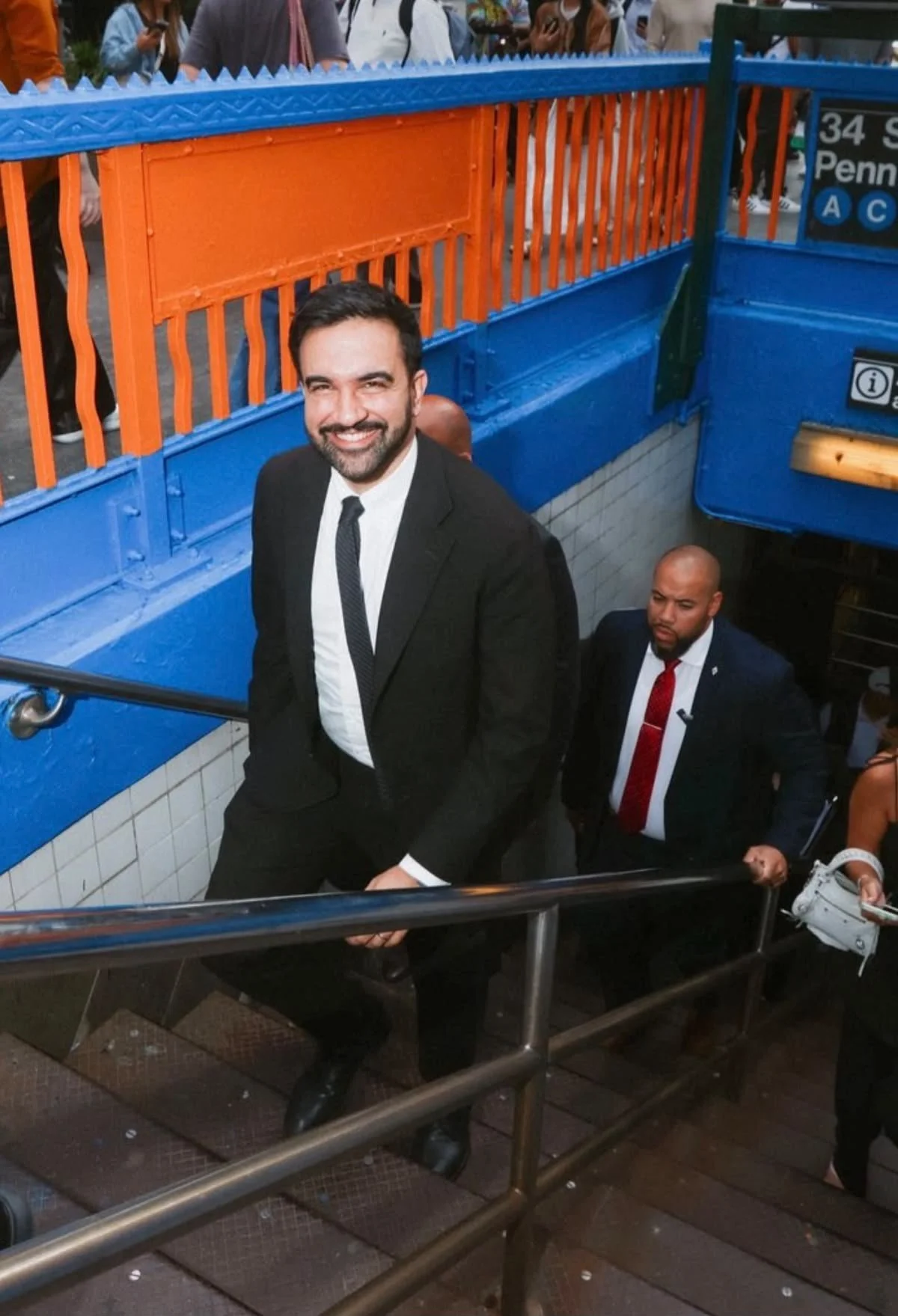
This is all part and parcel with Mayor Mamdani’s attempts to redefine a populist approach to politics. Although he earns $259,000 and lives in Gracie Mansion with chauffeurs at his disposal, he is regularly spotted riding the subway or a Citibike. He weaves his political philosophy through events in the city, whether it’s delivering 1000 tickets at $50 each to New Yorkers for both the NBA Finals and the FIFA world cup or launching a discounted $26 meal program in over 900 restaurants during the latter.
Whether you love him or hate him, it’s undeniable that Mamdani is making changes that affect everyone in the city. So, while you’re studying urban policy, development finance, or policy implementation, pay attention to how the Mayor’s Office navigates legal constraints, intergovernmental bargaining, and delivering on promises within time constraints. This isn’t some faraway case study; it’s an experiment in municipal government unfolding right outside our gates.