
Why Does NYC Stop Playing So Early?
By Katie MacDougall
Despite being “The city that never sleeps,” New York’s public recreation spaces maintain a strict curfew. The City’s parks are technically open until 1 a.m., but its basketball courts, soccer fields, and tennis courts close down at dusk. Some parks consistently close much earlier than their stated hours, cutting playing time short for those who work late and for rec teams that can’t secure permits for available fields.
Even though New York has plenty of dedicated recreation spaces, the City has not invested in the infrastructure necessary to keep these spaces open late, namely reliable lighting to keep athletic fields usable after dusk. Consistent staffing reductions in patrol and maintenance staff also make it more difficult to keep athletic fields clean and usable.
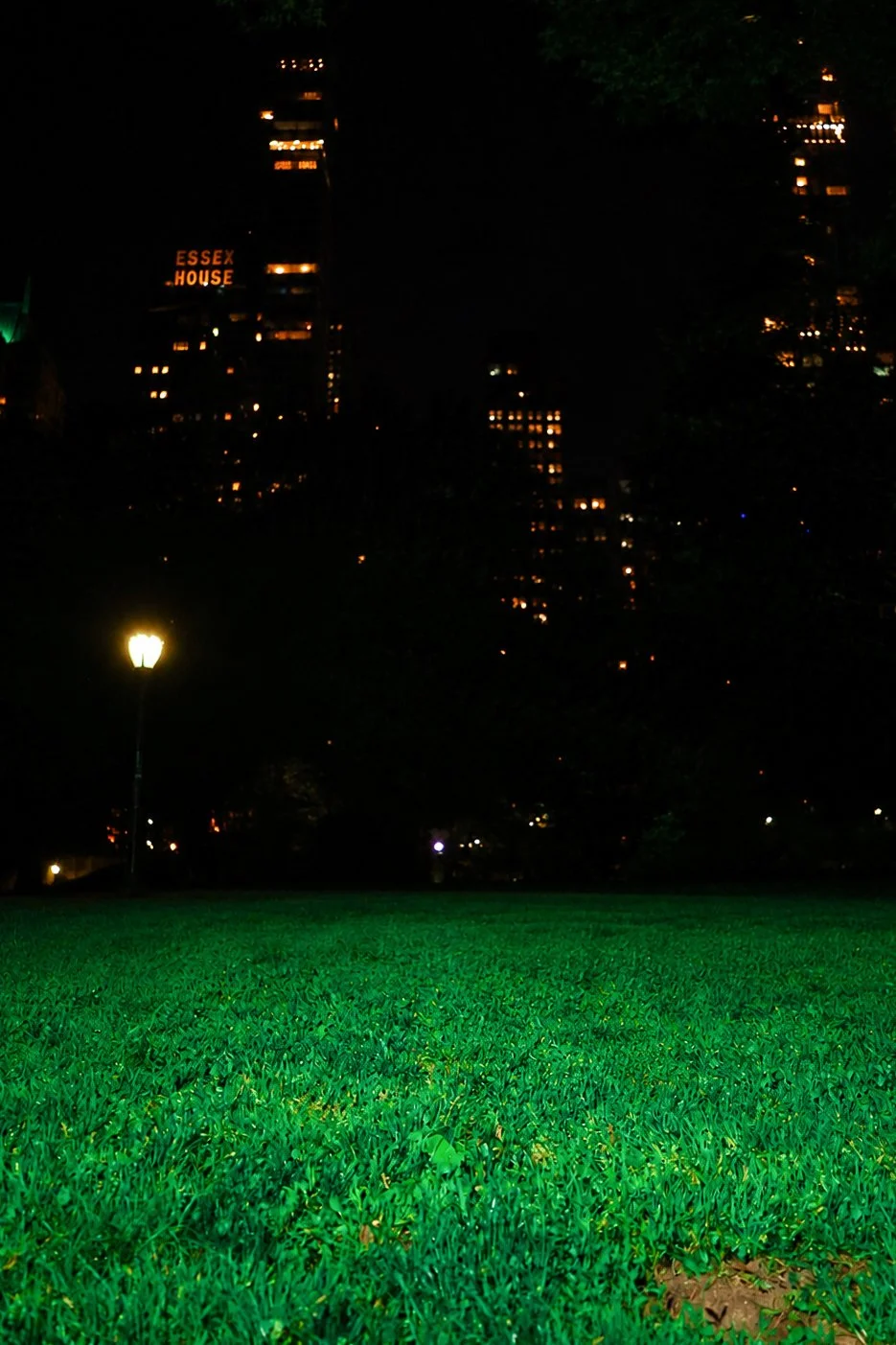
Underinvestment in lighting further constrains rec spaces. The Parks Department has faced budget cuts year after year, making it harder to serve New Yorkers and preventing them from taking full advantage of these spaces around the five boroughs.
Even when parks are open, New Yorkers struggle to take the field because of limited permit availability. Although standard field permitting hours are between 8 a.m. to 10 p.m., not all fields are available during those hours. Fields without adequate lighting can’t be used after dusk, while limited staffing and neighborhood concerns about late-night noise and after-hours crowds further restrict when permits are available for certain fields.
The World Cup this summer provided an incentive and additional funding to invest in parks. To help extend field hours during the World Cup, the State of New York provided the City $20 million. Due in part to this additional funding, the Parks Department was able to extend field lighting and staffing in 50 locations until 11p.m. As a result, New Yorkers were able to enjoy an estimated 4,000 additional hours of rec time between June 11 and September 7, 2026. Expanding access to athletic fields is possible when the city has the necessary funds to make targeted investments.
Extending park hours beyond a temporary event like the World Cup, however, requires a sustained commitment to maintenance, staffing, and energy. Adequately funding these recurring costs calls for additional investment.
If the city cannot find room in its budget, neighborhood conservancies and private donors may fill the funding gap. Little Island, which sits in the Hudson River off West 12th street in New York City, provides one example of how private philanthropy could support public space. This floating park, open to all of the City’s eight million inhabitants, was funded primarily by two wealthy patrons, with New York City paying for $17 million of its infrastructure.
Similar to Little Island, some parks have dedicated private donors organized under conservancies that supplement the Parks Department’s budget by funding restoration and upkeep. The Carl Schurz Conservancy on the Upper East Side, for example, recently fundraised $300,000 from the local community and installed a new dog run by the park’s athletic field. These public-private partnerships can produce valuable public amenities, but they also raise difficult questions of who gets to access high-quality public spaces—and if private wealth is necessary to enjoy them.
The City has pointed to public safety concerns as a reason to close parks early. Smaller parks, like Maria Hernandez Park in Bushwick, close their gates at around 9 p.m. Officials have cited crime, cleanliness, and homeless encampments to justify closing the park’s gates well before 1 a.m. The administration of former Mayor Eric Adams claimed that the closure of recreation fields and entire parks was an essential public safety tool.
At a 2024 community conversation about Woodhaven’s Forest Park, then-Parks Commissioner Sue Donogue said parks “should be closed at night,” as a public safety measure. She explained that teams of park staff, police officers, and Parks Enforcement Patrol work together to close down parks for the evening, rather than providing staffing to keep parks open and safely staffed throughout the night.
Public safety and budget shortfalls are legitimate concerns, but closing parks early does not solve these issues. Rather, it exacerbates the underlying shortage of recreational spaces available to New Yorkers. If New York wants to make greater use of its parks, it needs to meaningfully reinvest in the infrastructure and personnel to do so.
The World Cup demonstrated that New York City could efficiently invest in lighting and thus keep parks open longer. If the city can keep the lights on while the world is watching, it should be able to keep them on for New Yorkers, too.